 how-to
How to Understand What Restoration Warranty Covers
Last Updated: October 25, 2026
Quick Summary
A restoration warranty covers the work and materials used to repair your property after damage, falling into two categories: defects in materials themselves and the quality of work performed. Coverage typically lasts one to five years for workmanship and ten to twenty years for manufacturer warranties, though exclusions for pre-existing damage, consequential losses, and maintenance failures often apply.
- Workmanship warranties cover installation errors and typically last one to five years, while manufacturer warranties cover material defects and range from ten to twenty years.
- Most restoration warranties exclude pre-existing damage, consequential losses like business interruption, and damage from third-party repairs or modifications.
- Prorated warranties reduce coverage over time, so a twenty-year warranty may offer full replacement for the first ten years, then fifty percent for years eleven through fifteen.
- Get your warranty in writing in the signed contract, specifying coverage details, exclusions, maintenance requirements, and the claim process before work begins.
- Coordinate warranty claims with homeowners insurance, as insurance covers sudden weather damage while warranties cover defects in workmanship or materials.
Table of Contents
- What a Restoration Warranty Actually Covers
- Manufacturer Warranty vs. Workmanship Warranty
- Restoration Warranty Exclusions You Need to Know
- How Long Does a Restoration Warranty Last
- Restoration Warranty Claim Process: Step by Step
- Warranty Coverage Beyond Roofing: Fire, Water, and Mold Restoration
- Getting Your Restoration Warranty in Writing
- Frequently Asked Questions
What a Restoration Warranty Actually Covers
A restoration warranty covers the work and materials used to repair your property after damage, but not every type of damage or defect falls under this protection. We help homeowners and business owners navigate warranty terms. Coverage typically falls into two categories: defects in the materials themselves, and the quality of the work performed.
Material Defects and Manufacturing Flaws
Material defects are problems that exist in the product before installation, such as a shingle that cracks prematurely due to a manufacturing flaw. If a shingle deteriorates within the warranty period due to how it was made, not how it was installed, the manufacturer typically replaces it at no cost. Normal wear and tear doesn't count, but shingles that fail after three years due to a manufacturing problem is a legitimate claim.
Workmanship and Labor Coverage
Workmanship warranty covers the installation itself. If a contractor installs shingles incorrectly, fails to seal flashing properly, or leaves gaps in underlayment, a good workmanship warranty ensures the contractor returns to fix those errors at no charge. Contractor reputation matters: a one-year warranty from a fly-by-night operation means little if the company closes six months later.
Manufacturer Warranty vs. Workmanship Warranty
A manufacturer warranty protects you against defects in the product itself.
A workmanship warranty protects you against poor installation. The contractor who installs the roof guarantees that the work meets industry standards.
A manufacturer won't cover installation errors, and a contractor won't cover manufacturing defects.
Getting both warranties in writing protects you.
Restoration Warranty Exclusions You Need to Know
Exclusions are where a restoration warranty shows its real limits. Most claim denials come from damage falling into a category the written warranty never covered. Reading the exclusion list before you sign, and again before you file, is the highest-value habit a property owner can build.
Pre-existing damage and conditions that predate the work
A restoration warranty covers the work the contractor performed, not the property's condition before that work began. If a wall cavity already had microbial growth from an unaddressed slow leak, a mold remediation warranty will not cover that colony returning. Coverage applies only to conditions not present, visible, or reasonably discoverable at the original inspection, so keep the inspection report and scope of work in your warranty record.
Consequential and indirect damage
Consequential damage is the downstream loss that follows from a defect, and most restoration warranties exclude it. If an undersized drying system left moisture in a wall assembly, the warranty may cover re-drying that wall, but typically not the hotel stay, spoiled inventory, lost rental income, or secondary mold. Business interruption, temporary housing, and lost rents come from a property insurance policy, not a workmanship warranty.
Damage from third-party repairs or modifications
Almost every restoration warranty voids or narrows coverage when someone other than the warranting contractor touches the work. If a handyman re-caulks a repaired area or a different roofer replaces a section of the same roof, the original warranty may no longer apply there. This matters most in multi-trade projects, where each contractor warrants only its own phase.
Maintenance and owner-responsibility clauses
Maintenance exclusions are standard, but the specific obligations vary enough to deserve a close read. Common requirements include clearing gutters, maintaining interior humidity after water damage repairs, promptly reporting new leaks or musty odors, and scheduling specified inspections. Failure to meet a stated obligation can void coverage for a related claim even if the contractor's work was flawless.
Proration, depreciation, and labor-only limits
Proration. Many manufacturer warranties reduce coverage over time. Read the schedule, not just the headline number: a "20-year warranty" with heavy proration in years 11 through 20 is a very different promise than a flat guarantee.
Labor versus materials. Manufacturer warranties frequently cover replacement materials but not the labor to remove and reinstall them, while workmanship warranties frequently cover labor but not materials.
What to do when an exclusion is ambiguous
If a clause could reasonably be read two ways, get the contractor's interpretation in writing before you sign. A short email asking "Does this warranty cover [specific scenario]?" and a reply confirming the answer is far more useful in a dispute than a verbal assurance.
How Long Does a Restoration Warranty Last
Warranty duration varies widely, and the length often signals the quality of the work or materials. A typical contractor workmanship warranty lasts one to five years: one year is standard for basic restoration work, while five years suggests confidence in the installation.
Warranty length varies by type of work and materials, with typical ranges as follows.
| Warranty Type | Typical Duration | Notes |
|---|---|---|
| Contractor workmanship | One to five years | One year is standard for basic work |
| Manufacturer roofing materials | Ten to twenty years | Does not guarantee roof lasts that long |
| Prorated manufacturer warranty | Ten to twenty years | Full coverage first ten years, then reduced |
| Commercial roof coating systems | Up to twenty years | Available with extended terms |
Restoration Warranty Claim Process: Step by Step
Filing a warranty claim requires documentation, communication, and patience. Learn how to choose a restoration contractor who can guide you through the process.
Documentation and Proof Requirements
Start by documenting the problem: photos and videos of the damage, the date you discovered it, any weather events around that time, and your original contract, warranty documents, and maintenance records.
Contact your contractor or the manufacturer's claims department. Provide them with:
- Photos and videos of the damage
- Your original contract and warranty documents
- Proof of purchase (receipt or invoice)
RoofMaxx's roofing warranty guide notes that a restoration warranty should not be assumed to cover every cause of damage or every part of the work. The written terms determine what qualifies.
Be specific about what's wrong. "The roof is leaking" is vague.
Working with Your Insurance Adjuster
If the damage is also covered by your homeowner's insurance, coordinate between your contractor and your insurance adjuster. Insurance pays for sudden, unexpected damage like hail or wind, while your warranty covers defects.

Warranty Coverage Beyond Roofing: Fire, Water, and Mold Restoration
A restoration warranty can attach to water mitigation, drying, mold remediation, fire and smoke cleanup, contents handling, and reconstruction, and each phase can carry a different warranty, duration, and party behind it. Understanding coverage by phase is the difference between thinking you are protected and filing a claim that pays.
Coverage by restoration phase
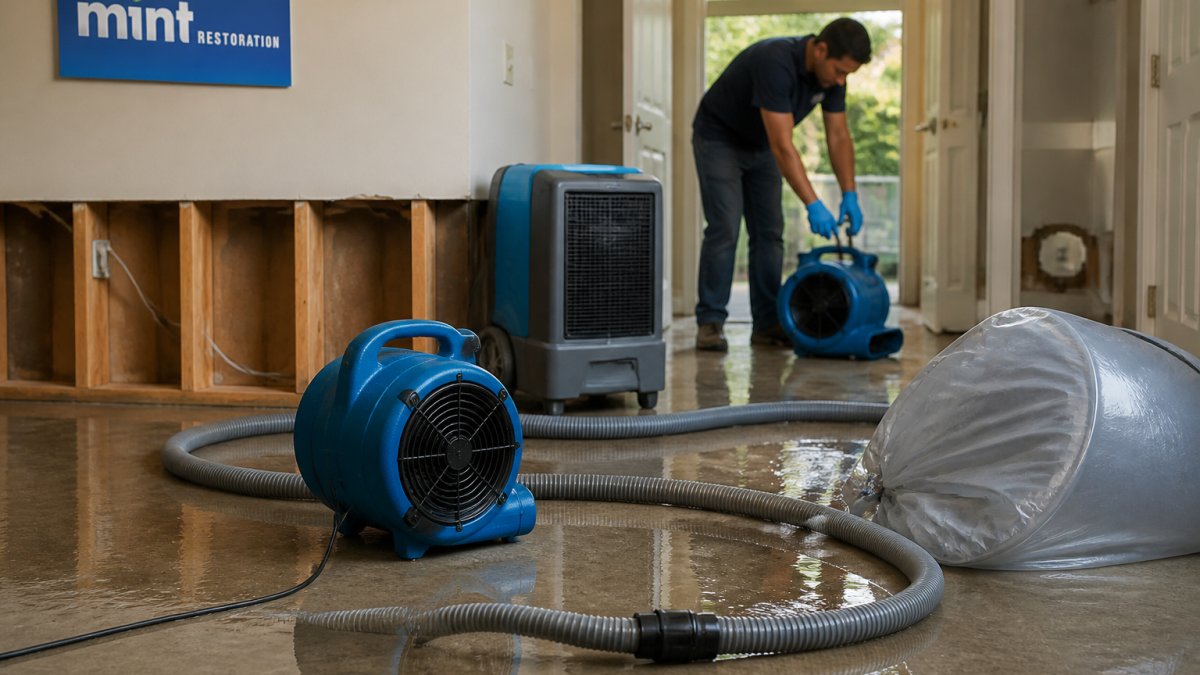
Emergency mitigation and water extraction. The contractor warrants that extraction, demolition of unsalvageable materials, and initial stabilization were performed to the standard of care. Learn the essential steps in water damage restoration to understand what proper mitigation and extraction involve.
Structural drying. The contractor warrants that the drying plan, equipment placement, and monitoring were adequate to return affected assemblies to normal moisture conditions.
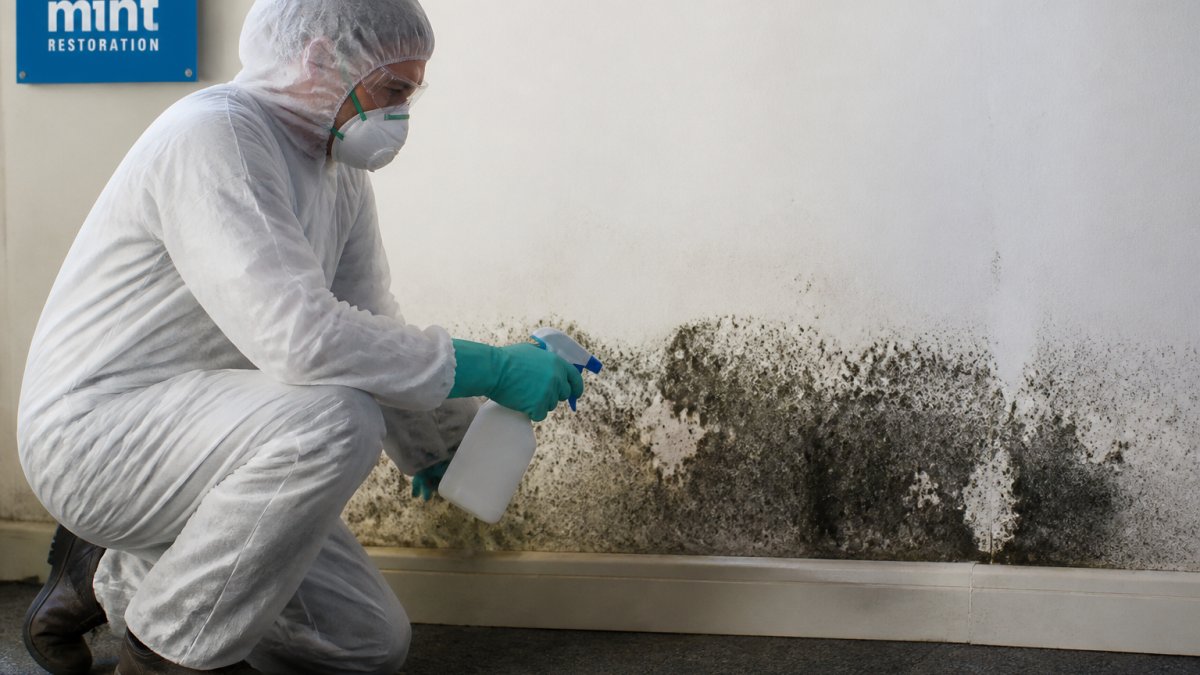
Mold remediation. Remediation warranties typically cover removal of contaminated materials and treatment of affected surfaces, usually including a clearance step such as post-remediation verification. Get detailed guidance on handling mold in walls to understand the full remediation process.
Fire and smoke cleanup. Fire restoration warranties cover structural cleaning, odor treatment, and repairs to return the property to pre-loss condition.
Reconstruction and rebuild. Rebuild work is where material and workmanship warranties look most like standard construction warranties.
Separate warranties for labor, equipment, and installed products
- Labor is warranted by the restoration contractor, and the duration is set by the contract.
- Equipment such as dehumidifiers, air scrubbers, and injection systems is usually warranted by its manufacturer, not the restoration company, though the contractor is responsible for using it correctly.
- Installed products such as drywall, flooring, sealants, and coatings carry manufacturer warranties that may be transferable to you or may apply only to the original purchaser.
When a problem appears, the first question is which of these three failed. A floor that cups after a rebuild may be a product defect, an installation error, or leftover moisture from the drying phase, and each answer points to a different warrantor and claim process.
Who backs the promise if the contractor closes or changes ownership
A workmanship warranty is only as durable as the business behind it. If the restoration company closes, is acquired, or restructures, its warranty's value depends on what the contract says and what records you kept. Build in these protections before work begins:
- Get the warranty in the contract, not in a separate brochure. The contract is the enforceable document; a brochure promising a lifetime warranty that isn't incorporated into the signed agreement is much harder to rely on.
- Identify the legal entity that issues the warranty. Confirm the exact business name on the contract matches the name on the warranty, and note if a parent company or franchise entity issues it.
- Ask whether the warranty is transferable if you sell the property, and what the transfer requires. Many workmanship warranties are not transferable, while some manufacturer warranties are.
How phase-based coverage interacts with insurance
A contractor warranty is not homeowners insurance. Insurance responds to covered perils such as a sudden water discharge, fire, or wind event, while a warranty responds to defects in the contractor's work or products installed. When a loss involves both, insurance may pay to tear out and dry while the warranty governs whether the rebuild was done correctly.
Getting Your Restoration Warranty in Writing
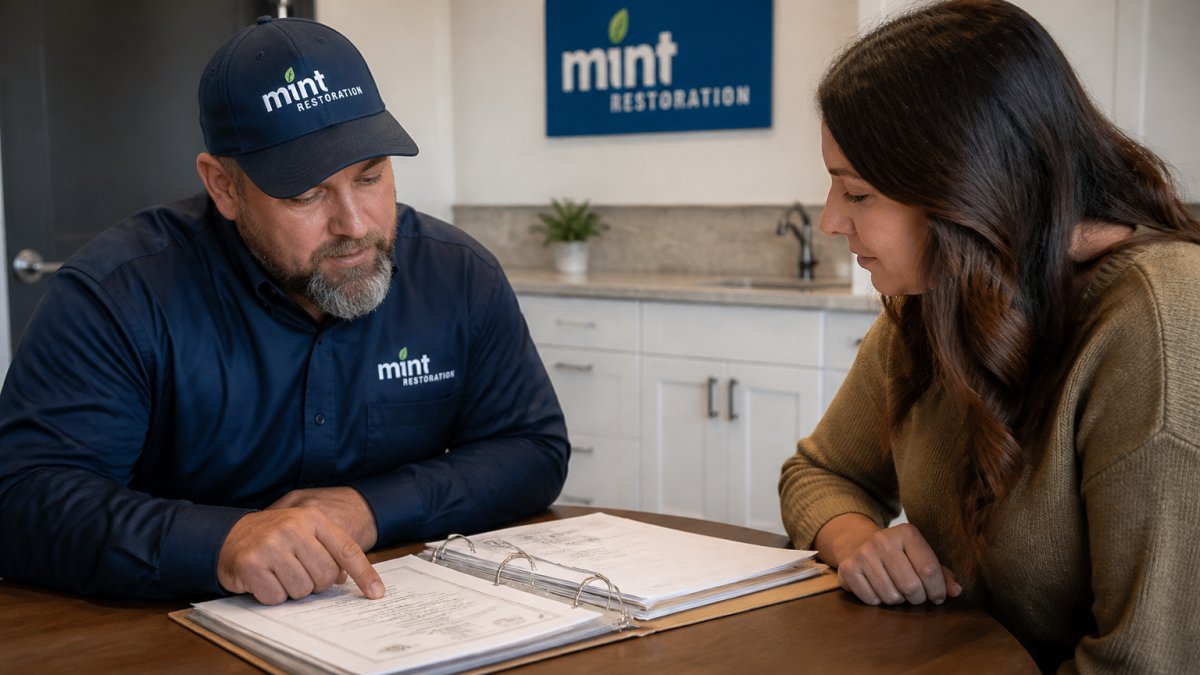
Never rely on verbal promises. Your warranty must be documented in a written contract specifying exactly what's covered, for how long, and under what conditions.
Your contract should include:
- Specific description of the work being performed
- Materials being used and their specifications
- Warranty duration (one year, five years, etc.)
Review the contract before signing. Ask questions about anything unclear. If the contractor won't put the warranty in writing, that's a red flag.
GET A QUOTE to ensure your restoration warranty is properly documented and covers what matters most to your property.
Frequently Asked Questions
What does a restoration warranty typically cover?
A restoration warranty covers material defects in products used during restoration (shingles, underlayment, flooring, drywall) and workmanship errors in installation and labor. Coverage typically includes repair or replacement of defective work within the warranty period. However, the specific coverage depends on the written warranty terms, some warranties cover materials only, while others include both materials and labor. Always review your warranty document to understand exactly what is covered.
What is usually excluded from a restoration warranty?
Common restoration warranty exclusions include storm damage, wind damage, hail damage, water damage from future weather events, normal wear and tear, lack of maintenance, improper installation by someone other than the original contractor, and damage from extreme weather. Pre-existing conditions and damage caused by failure to follow manufacturer specifications are typically excluded. Maintenance problems and poor maintenance practices also void coverage. Always read the exclusions section of your warranty carefully before signing.
How long does a restoration warranty last?
Restoration warranty duration varies widely. Material warranties often last 5 to 20 years depending on the product and manufacturer. Workmanship warranties typically range from 1 to 10 years. Some commercial roof coating systems offer warranties of up to 20 years. The specific duration is stated in your written warranty contract. Transferable warranties may extend coverage if you sell the property, but the new owner may have reduced coverage or limited terms.
How do I file a restoration warranty claim?
To file a restoration warranty claim, first document the damage with photos and written descriptions. Gather your proof of purchase and warranty documentation. Contact your restoration contractor or the manufacturer with your claim details. Provide evidence that the damage is covered under the warranty terms and not an exclusion. Your contractor may send an inspector to assess the damage. If approved, the contractor will repair or replace the defective work at no cost to you. Keep all correspondence in writing for your records.
A restoration warranty protects your investment in repairs, but only when you understand what it covers. Material defects, workmanship quality, and exclusions for weather and maintenance are the key distinctions. Get everything in writing, maintain your property as required, and document any problems promptly. When you're ready to restore your property after damage, choose a contractor who stands behind their work with a solid warranty and the experience to back it up.