 how-to
Water Damage Restoration in Yuma AZ: 7 Essential Steps
Table of Contents
- What to Do in the First Hour After Water Damage
- Emergency Water Removal Services: What to Expect When You Call
- How to Prevent Mold After Water Damage
- Water Damage Insurance Claim Process: A Step-by-Step Guide
- DIY vs. Professional Water Damage Restoration in Yuma AZ
- Why Yuma's Climate Makes Water Damage Worse
- Frequently Asked Questions
Last Updated: September 30, 2026
What to Do in the First Hour After Water Damage
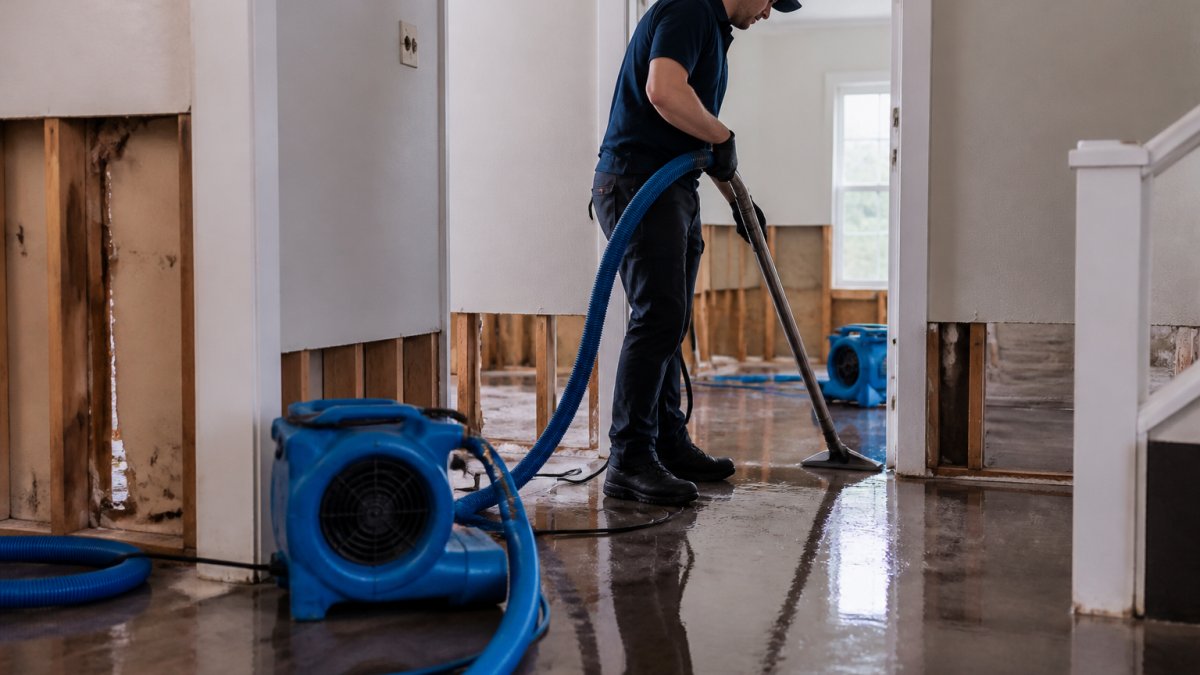
Water damage restoration in Yuma AZ moves fast, and the first hour decides how much of your home you keep. At Mint Restoration, we've spent over 30 years watching that hour get wasted on panic instead of action. Water spreads through drywall, baseboards, and flooring within minutes.
Safety First: Shut Off Power and Water
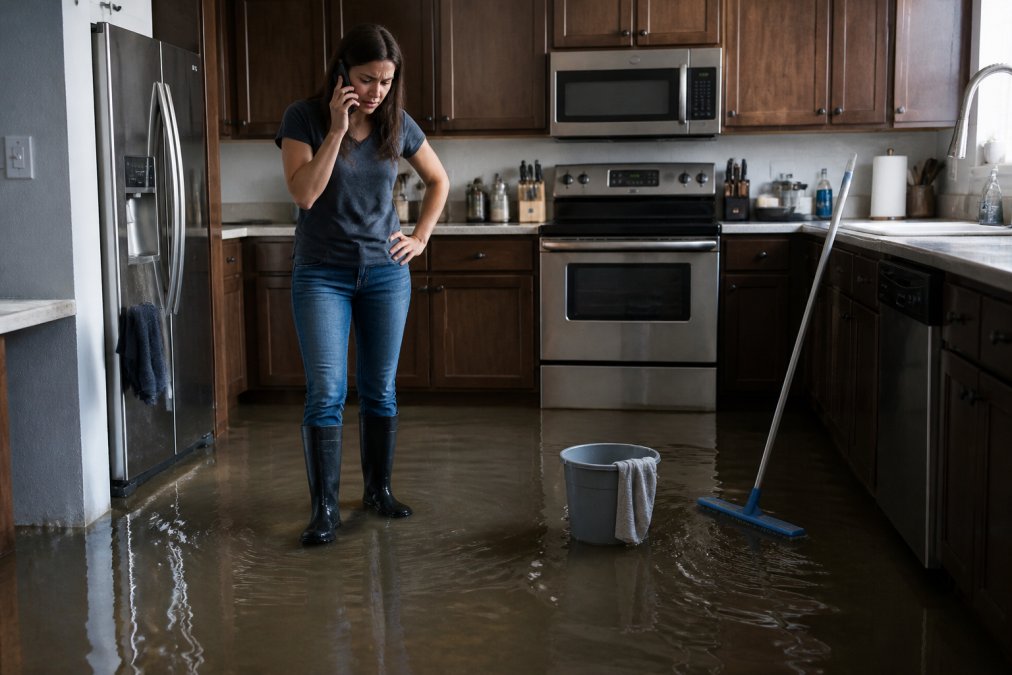
Kill the electricity to any flooded room before you step into it. Flip the breaker for that area, and only then wade in. If the panel sits in standing water, leave it alone and call an electrician.
Document Everything Before You Move It
Photograph everything exactly as you find it: standing water, soaked furniture, warped flooring, stained ceilings. Take wide shots of each room, then close-ups of damaged items. This record becomes the backbone of your insurance claim.
Emergency Water Removal Services: What to Expect When You Call
Emergency water removal services follow a set sequence: assess, extract, dry, and verify. A trained team maps the moisture, pulls standing water, and sets drying equipment, getting the structure dry before mold gets a foothold.
The 60-Minute Response Window
The first hour is the difference between a cleanup and a rebuild. Water wicks into framing, subfloor, and insulation fast, and the longer it sits, the more material must be torn out.
How to Prevent Mold After Water Damage
Mold prevention after water damage comes down to speed and dryness. Mold needs moisture, organic material, and roughly 24 to 48 hours to start colonizing. In a desert climate, materials dry at wildly different rates.
The 24-48 Hour Window
That window is the whole game. Within it, a professional crew extracts standing water, sets air movers and dehumidifiers, and monitors moisture until every reading hits dry standard. Miss it, and you're looking at mold remediation on top of water damage repair.
Why Desert Heat Changes the Mold Timeline
Low ambient humidity pulls surface moisture out of drywall and carpet fast, so a room can read dry to the touch within a day. That surface dryness is misleading. Inside a wall cavity, under vinyl plank, or beneath a slab, moisture has nowhere to evaporate, and temperature swings between a 110-degree afternoon and a 75-degree air-conditioned night can drive it to re-condense on cooler surfaces like interior framing and metal studs.
A few material-specific realities most homeowners never hear:
- Drywall paper facing: The paper is an organic food source. Once it stays damp, mold can colonize the paper long before the gypsum core shows visible damage.
- Wood baseboards and door casings: These sit against the slab or subfloor, the slowest-drying part of the assembly. They often read dry on the face while the back edge stays wet for days.
- Carpet and pad: Pad acts like a sponge and holds water against the subfloor. In most cases, saturated pad has to be removed, not dried in place.
- Cabinets and vanities: Particleboard and MDF swell and lose structural integrity once wet, and the toe-kick void behind them traps moisture with no airflow.
What Actually Stops Mold
Mold prevention is a drying problem, not a cleaning problem. Spraying disinfectant while moisture remains inside the assembly does nothing. The only reliable prevention is verified structural drying: extract standing water, remove unsalvageable porous materials, position air movers across wet surfaces, run commercial dehumidifiers, and confirm dryness with calibrated moisture meters and thermal imaging before equipment is pulled.
- Standing water fully extracted
- Saturated carpet pad and unsalvageable porous materials removed
- Air movers and dehumidifiers running continuously
- Moisture readings checked daily with a hygrometer
- Hidden cavities checked with thermal imaging
- Baseboards and toe-kick voids verified dry at the back edge
- All readings at dry standard before equipment is pulled
When to Stop DIY and Call for Mold Remediation
If you see or smell mold, or if water sat more than 48 hours before drying started, assume the assembly is contaminated and get an assessment. Mold remediation is a separate scope from water damage restoration, it involves containment, negative air pressure, HEPA filtration, and safe disposal of contaminated materials. A provider that handles both under one license keeps you from being handed off mid-job.
Water Damage Insurance Claim Process: A Step-by-Step Guide
The water damage insurance claim process rewards documentation and punishes delay. Report the loss promptly, keep every receipt, and let a qualified restoration team handle the technical side. What determines whether your claim gets approved at full scope is the quality of the documentation you hand your adjuster.
The Documentation Checklist Adjusters Actually Want
Before you move, toss, or clean anything, build a claim file. Organized, itemized documentation moves through approval faster and with fewer disputes than a few phone photos.
- Wide shots of every affected room taken from the doorway, showing standing water and the full extent of the spread.
- Close-ups of each damaged item, furniture, electronics, flooring, cabinetry, personal property, before anything is moved.
- A written inventory listing each item, its approximate age, and its condition before the loss.
- Photos of the source, the burst supply line, failed water heater, or appliance that caused the loss. This is the single most important photo for a sudden-and-accidental claim.
- A moisture map or written scope from a restoration professional showing where water traveled, including hidden areas found with thermal imaging.
- Receipts for emergency mitigation, extraction, drying equipment rental, hotel stays if the home was uninhabitable.
- A timeline of when you discovered the damage and what you did in the first hour.
How the Process Typically Runs
- Report the loss to your insurer as soon as the damage is discovered. Most policies require prompt notice, and delay is one of the most common reasons a claim gets reduced.
- Document the damage using the checklist above, before you move or discard anything.
- Prevent further damage with reasonable emergency measures. Most policies require you to mitigate, this is why emergency extraction and drying are usually reimbursable.
- Schedule a professional assessment so the scope is measured with moisture meters and thermal imaging, not guessed.
- Submit the claim with the assessment, photos, inventory, and receipts attached.
- Meet the adjuster on site so the scope can be verified in person. Walk the adjuster through the moisture map and point out hidden areas.
- Review the settlement line by line and confirm it covers extraction, drying, and repairs, not just the visible damage.
| Step | What You Do | Why It Matters |
|---|---|---|
| Report the loss | Call your insurer | Late reporting can delay or reduce payout |
| Document damage | Photos, video, item list | Proof of loss supports your claim |
| Prevent further damage | Emergency extraction and drying | Most policies require mitigation |
| Professional assessment | Get a measured scope of work | Adjusters work from documentation |
| Submit and meet adjuster | Provide records, walk the site | Verifies the scope in person |
| Review settlement | Confirm coverage of all work | Avoids out-of-pocket surprises |
Policy Language That Decides Your Claim
Most standard policies cover sudden and accidental water damage, such as a burst pipe or failed water heater. Disputes almost always come down to a few recurring phrases:
- "Sudden and accidental" vs. "gradual": A slow leak under a sink that went unnoticed for months is often classified as gradual and excluded. A supply line that let go overnight is sudden and typically covered.
- "Reasonable emergency measures": This is the clause that makes your mitigation costs reimbursable, but only if the measures were reasonable and documented.
- Flood vs. water damage: Water that enters from outside the home, including monsoon storm runoff, is generally treated as flooding and is excluded from a standard homeowners policy. Flood coverage is a separate policy.
- Mold exclusions and caps: Many policies cap mold remediation at a fixed dollar amount or exclude it entirely unless it resulted directly from a covered water loss.
DIY vs. Professional Water Damage Restoration in Yuma AZ
DIY works for a small, clean spill caught within minutes. It fails for anything involving standing water, contaminated water, or moisture inside walls and floors. Professional restoration is the right call when water has reached building materials or sat longer than a few hours.
Here's the honest breakdown:
- Small, clean spill, caught fast: Towels, a wet-dry vacuum, and a fan can handle it.
- Standing water in a room: You need extraction equipment and commercial drying, not shop fans.
- Sewage backup or contaminated water: This is a health hazard. Call a professional.
- Water in walls, ceilings, or under flooring: Hidden moisture requires moisture detection and thermal imaging to find.
- Any damage older than 24 to 48 hours: Assume mold risk and get an assessment.
Why Yuma's Climate Makes Water Damage Worse
Yuma's heat and low humidity create a false sense of security. Surface water evaporates fast, so a wet floor can look dry within hours while moisture sits trapped inside walls and under flooring, exactly where mold starts.
Frequently Asked Questions
How quickly should I call for water damage restoration?
Call immediately, ideally within the first hour of discovering the damage. Mold can begin growing within 24 to 48 hours, and structural materials like drywall and wood start absorbing water right away. Mint Restoration offers 24/7 emergency availability with a 60-minute on-site response time. The faster you call, the less secondary damage occurs, which typically means lower repair costs and a smoother insurance claim.
Does homeowners insurance cover water damage in this region?
Most homeowners insurance policies cover sudden and accidental water damage, such as a burst pipe or appliance failure. Flood damage from outside water typically requires separate flood insurance. In Yuma, monsoon storms can cause flash flooding, so it is important to check whether your policy includes flood coverage. Mint Restoration works directly with insurance companies and can provide the documentation your adjuster needs to process the claim.
What is the difference between water extraction and structural drying?
Water extraction removes standing water using pumps and wet vacuums. Structural drying removes moisture trapped inside walls, floors, and framing using air movers, dehumidifiers, and moisture detection tools like thermal imaging and hygrometers. Extraction is the first step; drying is the longer process that prevents mold and structural damage. Both are necessary for complete water damage restoration.
Why is professional mold remediation necessary after water damage?
Mold can start growing within 24 to 48 hours of water exposure, often inside walls where you cannot see it. Professional remediation uses moisture detection and thermal imaging to find hidden mold, then contains and removes it safely. Attempting to clean mold yourself can spread spores and cause health issues. Mint Restoration handles both water damage and mold remediation, so you do not need to hire separate contractors.