 blog
7 Best Valpa Construction Alternatives for Restoration Work
Last Updated: November 2, 2026
Quick Summary
The best Valpa Construction alternatives are full-service restoration general contractors that hold state licensing, carry insurance and bonding, and put a written 24/7 on-site response window in the work authorization. Compare each candidate on licensing, response time, and warranty before you compare price.
- Mint Restoration advertises a 60-minute on-site response and stays available 24/7, including holidays.
- Ask for the license number, certificate of insurance, and a sample contract before any work begins.
- A one-year warranty backs all Mint Restoration work as a licensed, insured, and bonded general contractor.
- Mint Restoration technicians hold IICRC, RIA, and ASCR certifications for mold and disaster work.
- Score each alternative on licensing, response, and warranty before you compare price.
Table of Contents
- Why Homeowners and Property Managers Search for Valpa Construction Alternatives
- How We Evaluated These Valpa Construction Alternatives
- Emergency Restoration Services: Who Answers the Call at 2 A.M.
- Water Damage Restoration Companies That Handle Insurance Claims
- Fire and Smoke Damage Restoration: What to Verify Before You Sign
- Mold Remediation Contractors: Certification and Scope of Work
- Side-by-Side Comparison: Licensing, Response Time and Warranty
- Request a Restoration Quote From Mint Restoration
- Frequently Asked Questions
Why Homeowners and Property Managers Search for Valpa Construction Alternatives
Property owners looking for best Valpa Construction alternatives are usually chasing one thing: a restoration contractor who actually answers the phone and shows up. Valpa Construction appears in local contractor directories, but a directory listing tells you almost nothing about emergency response, licensing, or warranty terms. At Mint Restoration, we have spent more than 30 years handling disaster recovery.
The problem is fragmentation. Search results mix a construction company profile with remodeling directories from another state entirely, so nobody can confirm which Valpa Construction is meant or which service area applies. That confusion sends homeowners and property managers hunting for clearer options.
Below, we break down seven alternatives and the criteria that separate a dependable restoration contractor from a name on a list. We will show you exactly how to verify licensing, compare response times, and read a warranty before you sign.
How We Evaluated These Valpa Construction Alternatives
A general contractor handling disaster work should hold current state licensing, carry liability and workers' compensation coverage, and be bonded.
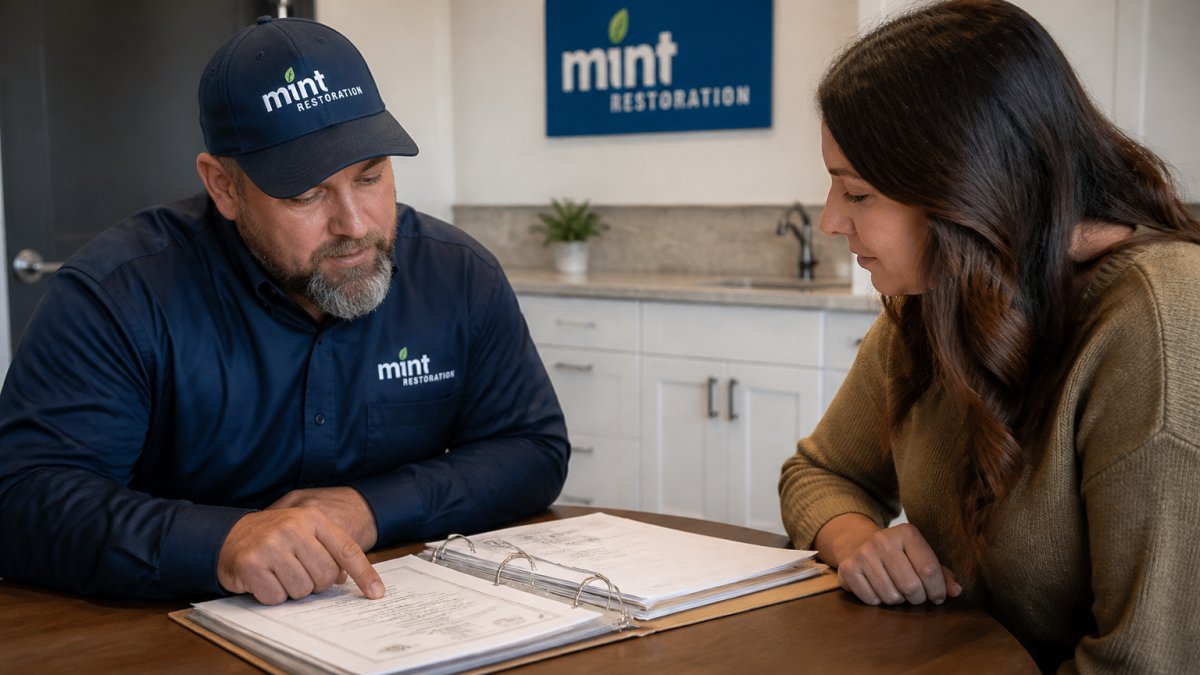
A common mistake is judging a restoration company by its website rather than its paperwork. Ask for the license number, the certificate of insurance, and a sample contract before any work begins. The Arizona Registrar of Contractors license lookup lets you confirm a contractor's standing directly.
Emergency Restoration Services: Who Answers the Call at 2 A.M.
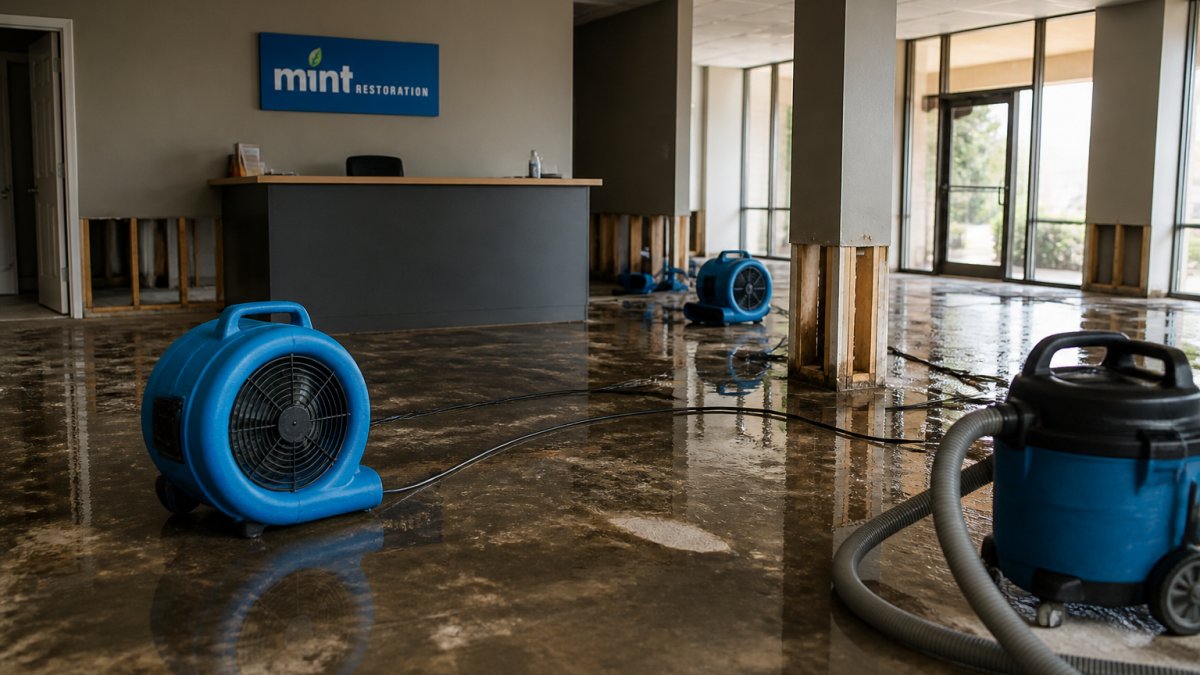
Emergency restoration services are only as good as the hour they arrive. A provider that advertises 24/7 availability but routes calls to voicemail until morning is not an emergency service. Ask one question before you hire anyone: what is your guaranteed on-site response time, in writing? Knowing emergency water damage response time expectations helps you judge the answer.
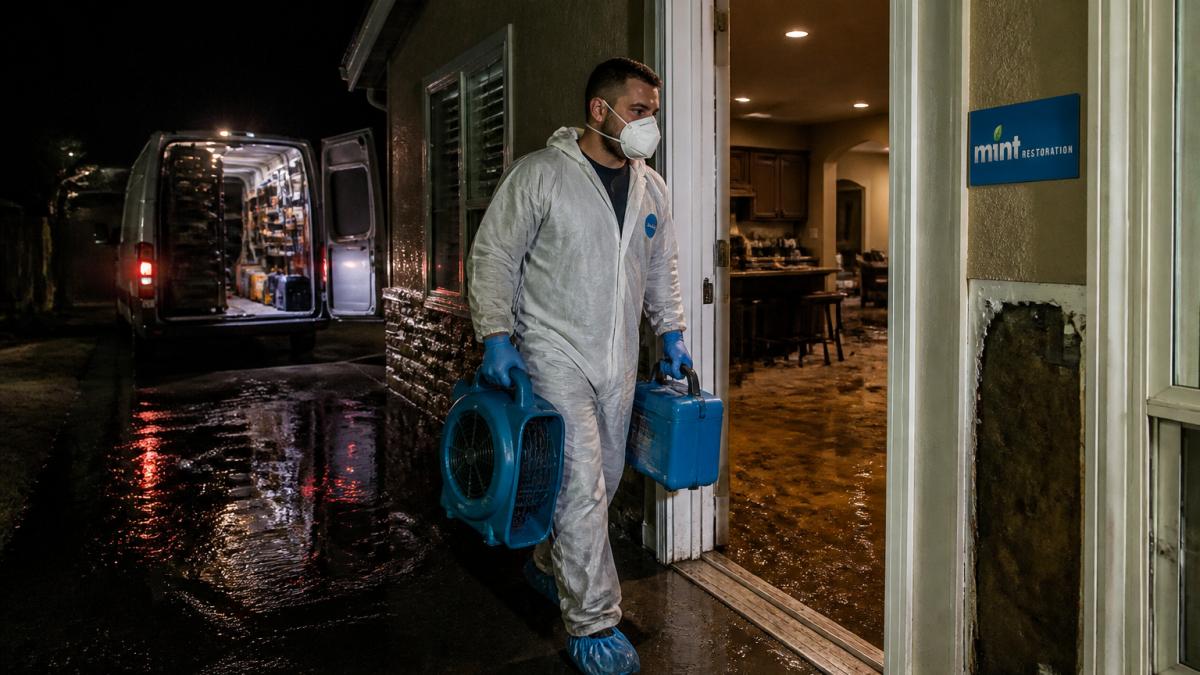
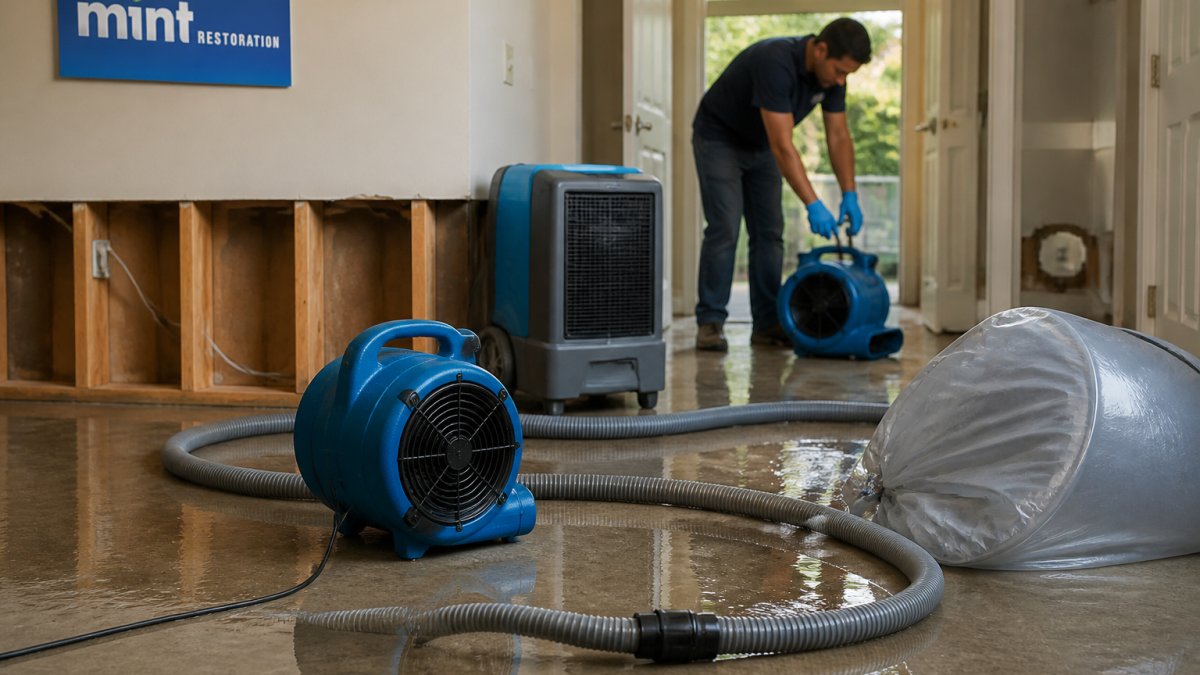
Mint Restoration advertises a 60-minute on-site response and stays available 24/7, including holidays. That matters because standing water spreads into wall cavities and subflooring fast.
Get the response window written into the work authorization.
Water Damage Restoration Companies That Handle Insurance Claims
Water damage restoration companies should document what your adjuster needs: moisture readings, photo evidence, and a line-item scope of loss.
Here is what to confirm before you sign:
- The contractor will bill your insurer directly or provide adjuster-ready documentation
- Moisture mapping and drying logs are included, not billed as extras
- The scope of loss is itemized before demolition starts
- The contractor communicates with your adjuster in writing
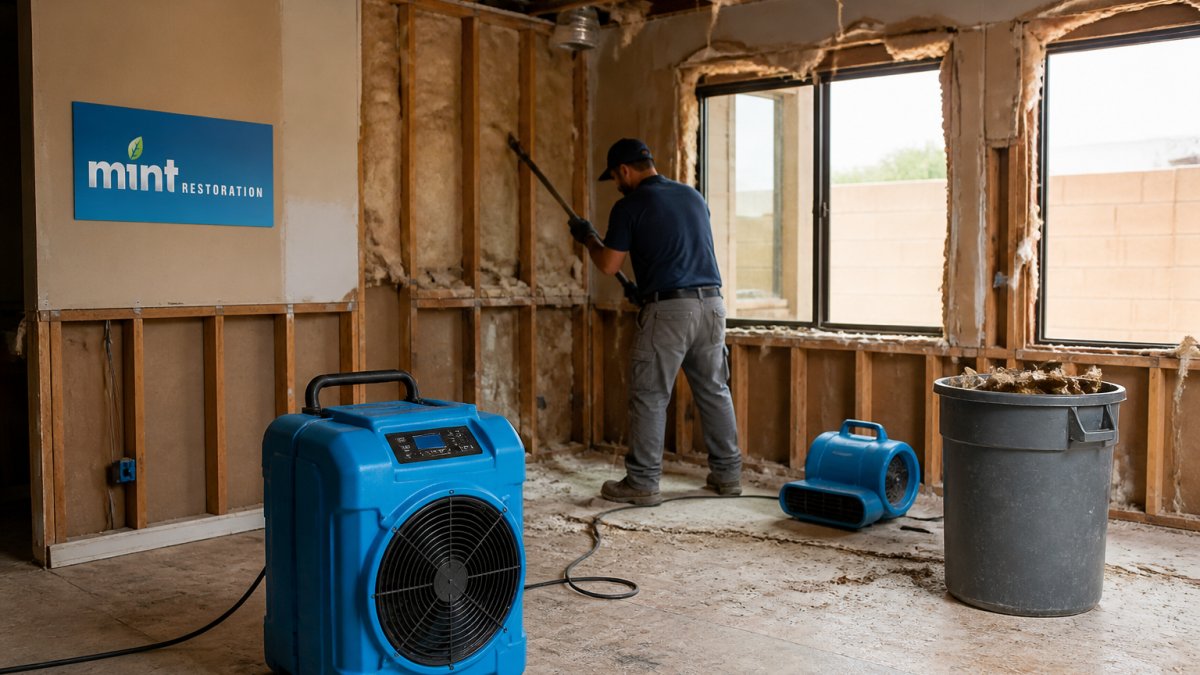
A common mistake is letting demolition begin before the adjuster sees the damage. Once materials are in a dumpster, proving the original condition becomes an argument. Ask the contractor to photograph and document first, then remove.
Fire and Smoke Damage Restoration: What to Verify Before You Sign
Fire and smoke damage requires careful assessment. Smoke residue can travel through ductwork and settle in wall cavities.
If the intended Valpa Construction is the disaster-rebuilding company, the alternatives worth considering are the ones built for insurance-driven losses. That means asking different questions than you would for a kitchen remodel:
- Claim documentation: Will the contractor produce photo evidence, a line-item scope of loss, and daily logs your adjuster can use without re-inspection?
- Contents handling: Is pack-out, cleaning, storage, and inventory included, and who is responsible for damaged contents?
- Direct billing: Will the contractor bill the insurer directly, or will you be asked to pay and seek reimbursement?
- Scope changes: How are change orders documented when hidden damage appears after demolition begins?
- Warranty: What triggers a return visit for odor or smoke residue, and what voids coverage?
Demolition before the adjuster has seen the damage can make it harder to prove pre-loss condition. Ask any contractor to photograph and document before removal.
Mint Restoration backs all work with a one-year warranty as a fully licensed, insured, and bonded general contractor.
Mold Remediation Contractors: Certification and Scope of Work
Mold remediation contractors should hold certification and define containment in writing.
Ask whether the contractor handles mold in-house or subcontracts it. Mint Restoration's technicians hold IICRC, RIA, and ASCR certifications.
The EPA guide to mold cleanup in homes is a useful reference for what a legitimate remediation scope should include. If a contractor skips containment or verification, walk away.
Side-by-Side Comparison: Licensing, Response Time and Warranty
The biggest problem with this keyword is that nobody agrees on which Valpa Construction is meant. Search results mix a disaster-rebuilding contractor profile with remodeling directories from a different state, so a useful alternatives list has to start by naming the actual candidates and comparing them on the things that decide a project: licensing status, insurance, response commitments, warranty terms, and the type of work each one is built for.
Use the table below as a screening tool, not a scorecard. Every row should be verified against the provider's own paperwork and the state license lookup before you sign anything.
| Alternative | Primary Specialty | Licensing / Insurance to Verify | Response Commitment | Warranty Signal | Best Fit |
|---|---|---|---|---|---|
| Full-service restoration general contractor (e.g., Mint Restoration) | Water, fire, mold, asbestos, meth, storm | State general contractor license; liability and workers' comp certificates; bond | Written 24/7 on-site target (ask for the number in hours) | Written warranty in the contract, not the brochure | Emergency losses and insurance-driven rebuilds |
| Local general contractor | Additions, structural rebuilds, planned renovations | State general contractor license; liability and workers' comp | Business-hours scheduling | Varies; often limited or none | Post-remediation rebuild and planned construction |
| Remodeling specialist | Kitchens, baths, flooring, finish work | State license where required; liability | Scheduled appointments | Scope-limited workmanship warranty | Cosmetic and non-emergency renovation |
| National restoration franchise | Standard water and cleanup jobs | Local franchise license; corporate insurance | Advertised 24/7; actual dispatch varies by branch | Corporate terms; read local addenda | Routine mitigation with brand backing |
| Disaster-recovery / insurance-claim specialist | Catastrophe rebuilds, claim documentation, contents | State license; liability; evidence of insurance-claim coordination experience | Varies; confirm after-hours coverage | Often tied to claim scope | Large losses where documentation drives the claim |
| Handyman or specialty trade | Minor repairs, single-trade work | Often unlicensed for structural or hazardous work | On request | Rarely offered | Small cosmetic fixes only |
Three columns deserve extra attention. First, licensing: confirm the license number, expiration, and classification directly with the state regulator. Second, response: a 24/7 claim is meaningless without a written on-site window, so ask each provider to state it in hours and put it in the work authorization. Third, warranty: ask what triggers a return visit, what voids coverage, and whether the warranty transfers if you sell the property.
If the intended Valpa is the disaster-rebuilding company, weight the disaster-recovery row heavily and ask for examples of insurance-claim coordination and contents documentation. If the intended Valpa is a local remodeling name, weight the general contractor and remodeling rows and confirm permit-pulling experience. Either way, the comparison only works if you verify each row against primary documents rather than directory listings. Our seven-step guide on how to choose a restoration contractor gives you the exact questions to ask each one.
Request a Restoration Quote From Mint Restoration
The gap between a directory listing and a dependable restoration contractor comes down to verification. Confirm the license, get the response window in writing, and read the warranty exclusions before anyone touches your property.
Mint Restoration brings over 30 years of experience, a 60-minute on-site response, 24/7 availability including holidays, and a one-year warranty on all work as a fully licensed, insured, and bonded general contractor. Our IICRC, RIA, and ASCR certified technicians serve fire, water, mold, asbestos, and meth damage.
Get started with Mint Restoration and restore your property to its pre-disaster condition.
Frequently Asked Questions
What should I look for in a restoration contractor?
Check four things: a current general contractor license, liability and workers' compensation insurance, certifications from IICRC or RIA for the specific damage type, and a written warranty. Ask how fast the crew arrives, who handles the insurance paperwork, and whether mold or asbestos work is done in-house or subcontracted. Get the scope of work and payment schedule in writing before anyone starts demolition.
How quickly should emergency restoration services respond after water damage?
Mold can begin growing on wet materials within 24 to 48 hours, so a crew should be on site the same day you call. Ask each company for its stated response window and get it in writing. Mint Restoration advertises a 60-minute on-site response time in its service area and answers calls 24/7, including holidays, which matters when a pipe bursts overnight.
Does a restoration company need to be licensed and insured?
Yes. A licensed, insured and bonded general contractor protects you if a worker is injured on your property or if the job causes further damage. Ask for the license number and certificate of insurance, then confirm both are current. This check separates qualified water damage restoration companies and mold remediation contractors from outfits that disappear after the deposit clears.
How do restoration companies handle insurance claims?
Many restoration companies work with your adjuster and document damage with photos and moisture readings. Ask upfront whether a company bills your carrier directly or expects payment from you, and request a written estimate that separates covered repairs from owner-paid upgrades.