 how-to
Professional Meth Contamination Remediation Yuma Guide
Table of Contents
- What Meth Contamination Is and How It Happens in Yuma Properties
- Health Risks and Which Surfaces Hold Meth Residue
- Meth Residue Testing: How Contamination Is Confirmed
- The Professional Meth Cleanup Process, Step by Step
- Stage 1, Assessment and Written Scope
- Stage 2, Containment and Negative Air
- Stage 3, Removal of Contaminated Materials
- Stage 4, Cleaning of Remaining Surfaces
- Stage 5, Waste Handling and Disposal
- Stage 6, Clearance Testing and Documentation
- What Each Role Should Decide Before Work Starts
- Worker Safety, Containment, and Waste Disposal
- Meth Cleanup Clearance Testing and What It Proves
- Meth Remediation Cost Factors and Project Timelines
- Choosing and Verifying a Meth Contamination Remediation Provider
- Conclusion: Safe Reoccupancy Starts With the Right Process
- Frequently Asked Questions
Last Updated: October 7, 2026
What Meth Contamination Is and How It Happens in Yuma Properties
Meth contamination is the presence of methamphetamine residue on surfaces inside a property, left behind either by drug manufacturing or by repeated smoking, and meth contamination remediation is the process that removes it.
The residue itself is a mix of methamphetamine and the chemicals used to make it. It settles into drywall, carpet, cabinets, and ventilation systems, and it does not break down on its own.
Meth Lab Contamination vs. Smoking Meth Residue
A former meth lab and a home where meth was smoked are not the same problem. Clandestine drug laboratory sites carry far higher concentrations and a wider spread of chemical residue, often across ceilings, walls, and HVAC components. Smoking meth leaves lower but still measurable residue, concentrated in a few rooms or on soft surfaces. The cleanup scope, cost, and testing plan differ accordingly.
Health Risks and Which Surfaces Hold Meth Residue
Exposure to meth residue can cause headaches, respiratory irritation, skin reactions, and sleep problems, and children are more vulnerable because of hand-to-mouth behavior. The risk is highest in properties with poor ventilation or heavy soft-surface contamination.
Some surfaces hold residue far longer than others:
- Porous materials: carpet, upholstery, mattresses, and ceiling tiles absorb and retain residue
- Semi-porous surfaces: painted drywall, wood cabinetry, and grout trap residue in small pores
- Hard surfaces: tile, glass, and metal clean more reliably but still require proper protocols
The EPA guidance on methamphetamine laboratory cleanup explains why porous materials frequently cannot be decontaminated and must be removed instead.
Meth Residue Testing: How Contamination Is Confirmed
Meth residue testing uses surface sampling: a trained inspector wipes defined areas, sends the samples to an accredited laboratory, and compares results against state cleanup standards. Laboratory analysis is what turns a suspicion into a documented contamination level.
A proper sampling plan covers each room, high-touch points, and the HVAC system. Documentation matters here, because buyers, lenders, and insurers will ask for it later.
The Professional Meth Cleanup Process, Step by Step
Professional meth cleanup follows a fixed sequence: assess, contain, remove, clean, verify. Skipping or reordering steps is the most common reason a property fails clearance testing, and it is also the most common reason a property owner pays for the same work twice.
Stage 1, Assessment and Written Scope
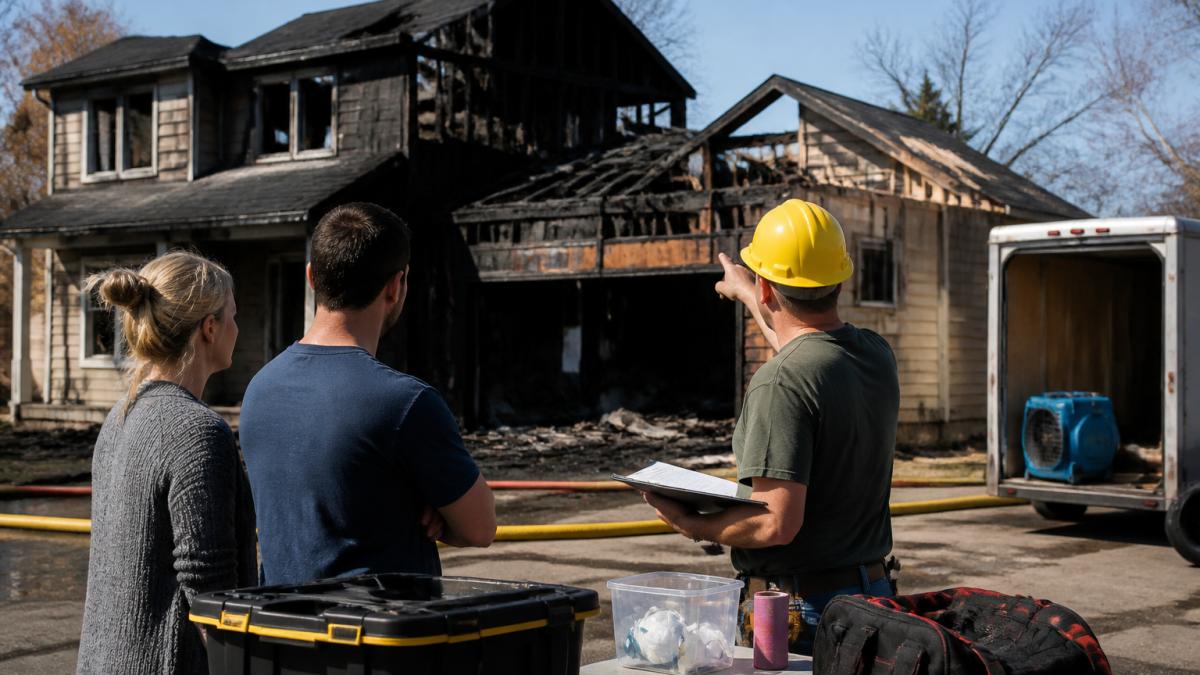
A qualified inspector walks the property, identifies likely contamination zones (kitchen, bathrooms, bedrooms used for smoking, HVAC returns, and any room associated with manufacturing), and drafts a sampling plan before any cleaning begins. The sampling plan should list each wipe location, the surface being sampled, and the laboratory that will analyze the wipes. You should receive the plan in writing before sampling starts.
Stage 2, Containment and Negative Air
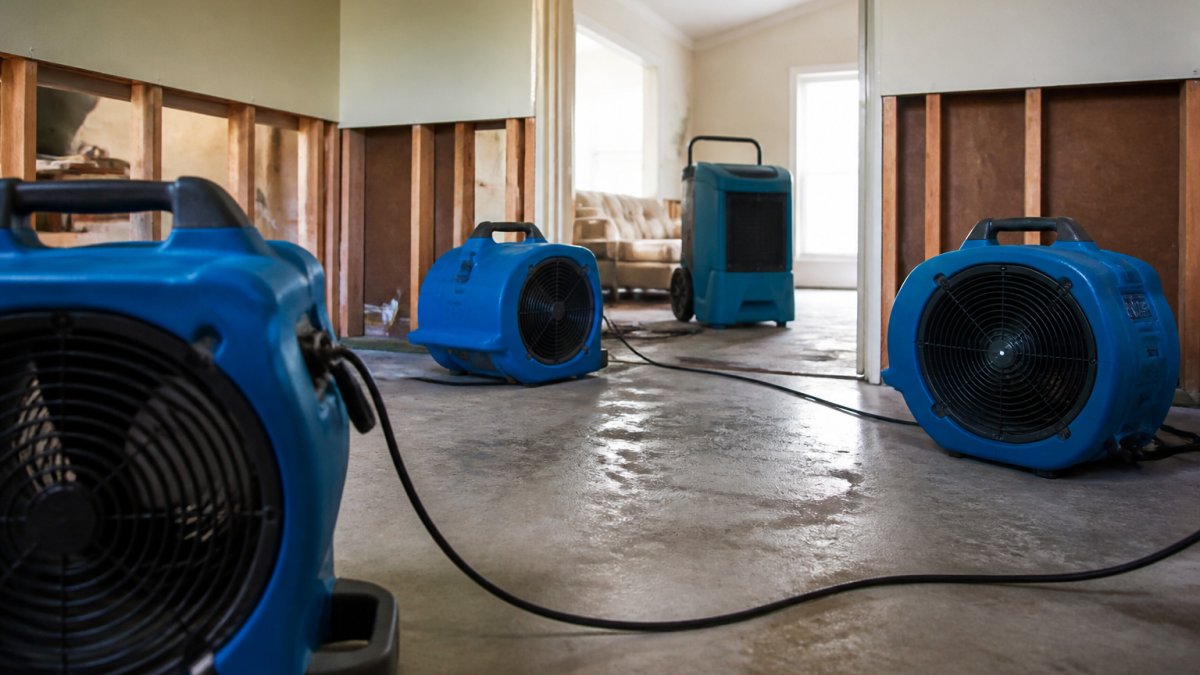
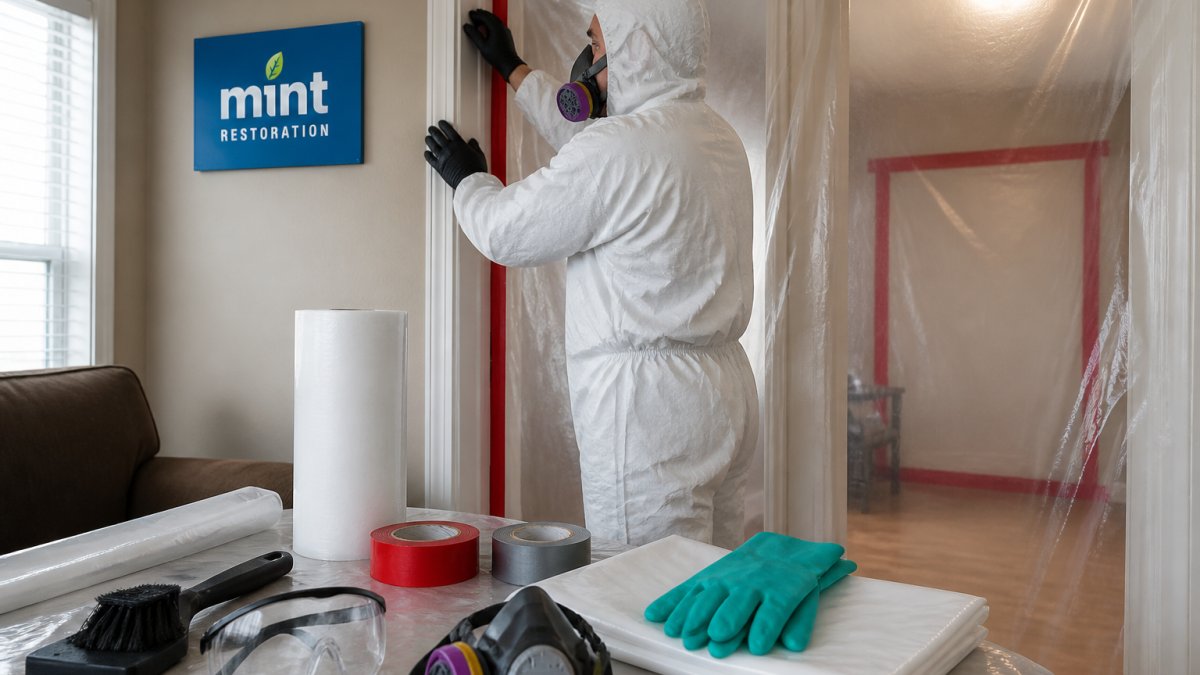
Work areas are sealed with plastic sheeting at doorways and openings, and negative air machines with HEPA filtration pull air out of the contained zone so residue does not migrate into clean rooms. Technicians stage a decontamination area at the containment boundary where they remove and bag coveralls, gloves, and boot covers before stepping back into clean space. This is the step most often skipped by general cleaning crews, and it is the step that determines whether the rest of the house stays clean.
Stage 3, Removal of Contaminated Materials
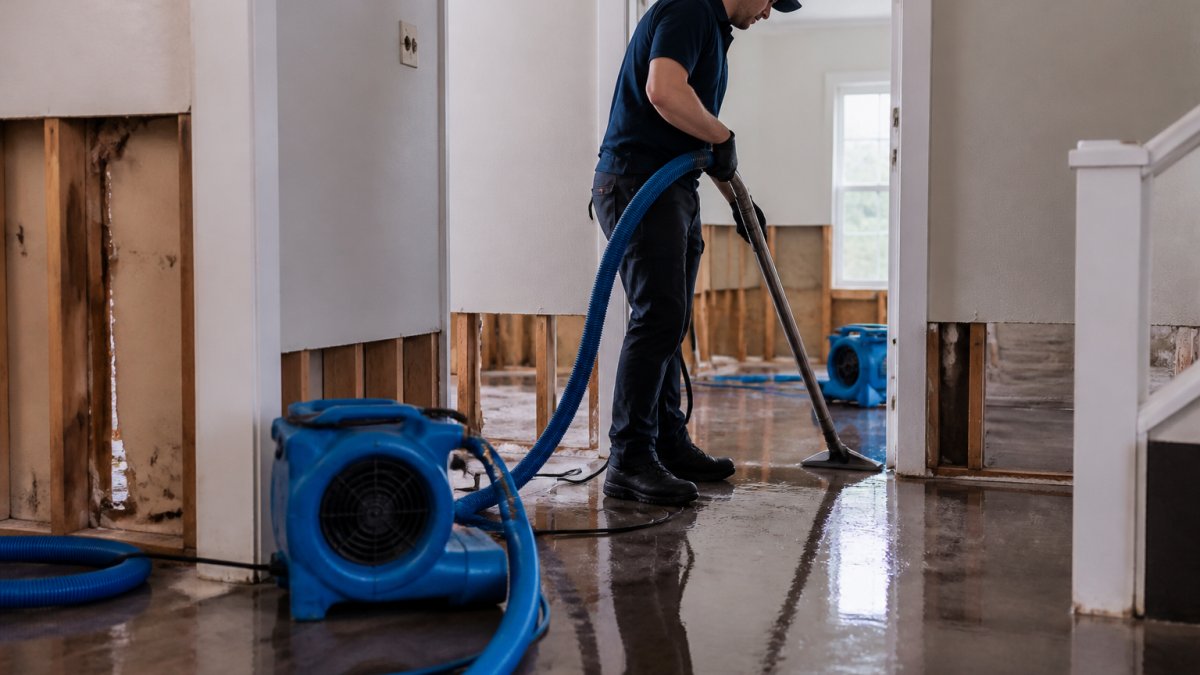
Porous materials that cannot be reliably decontaminated are removed rather than cleaned. In practice this usually means carpet and pad, upholstered furniture that will not be discarded by the owner, ceiling tiles, and sections of drywall where residue has penetrated the paper facing. Cabinets, countertops, and fixtures are evaluated case by case. Removed material is bagged inside the containment zone, not carried through the house.
Stage 4, Cleaning of Remaining Surfaces
Surfaces that stay in place are cleaned using detergents and methods appropriate to the material, typically a multi-step wash rather than a single wipe-down. Hard surfaces, semi-porous surfaces, and the interior of HVAC components each get different treatment. Cleaning is repeated until the surfaces are ready for clearance sampling, not until they look clean.
Stage 5, Waste Handling and Disposal
Contaminated debris and used personal protective equipment are packaged, labeled, and transported for disposal through permitted channels. Ask for the waste manifest or disposal documentation. Buyers, lenders, and insurers increasingly want to see where the material went, not just that it left the property.
Stage 6, Clearance Testing and Documentation
After cleaning, the same inspector (or an independent third party) re-samples the property using a plan that mirrors the baseline. Results are compared against the applicable cleanup standard. You should receive a written post-remediation report that includes sampling locations, laboratory results, and a statement of whether the property met the standard. That report is the artifact that protects your property value.
What Each Role Should Decide Before Work Starts
- Owners: confirm the scope in writing, confirm who pays for retesting if clearance fails, and confirm the warranty terms.
- Landlords: decide whether the unit will be vacant during remediation, how tenants will be notified, and how the clearance report will be retained for future disclosures.
- Buyers: make remediation and clearance a contingency in the purchase agreement, and require the seller to deliver the post-remediation report before closing.
Worker Safety, Containment, and Waste Disposal
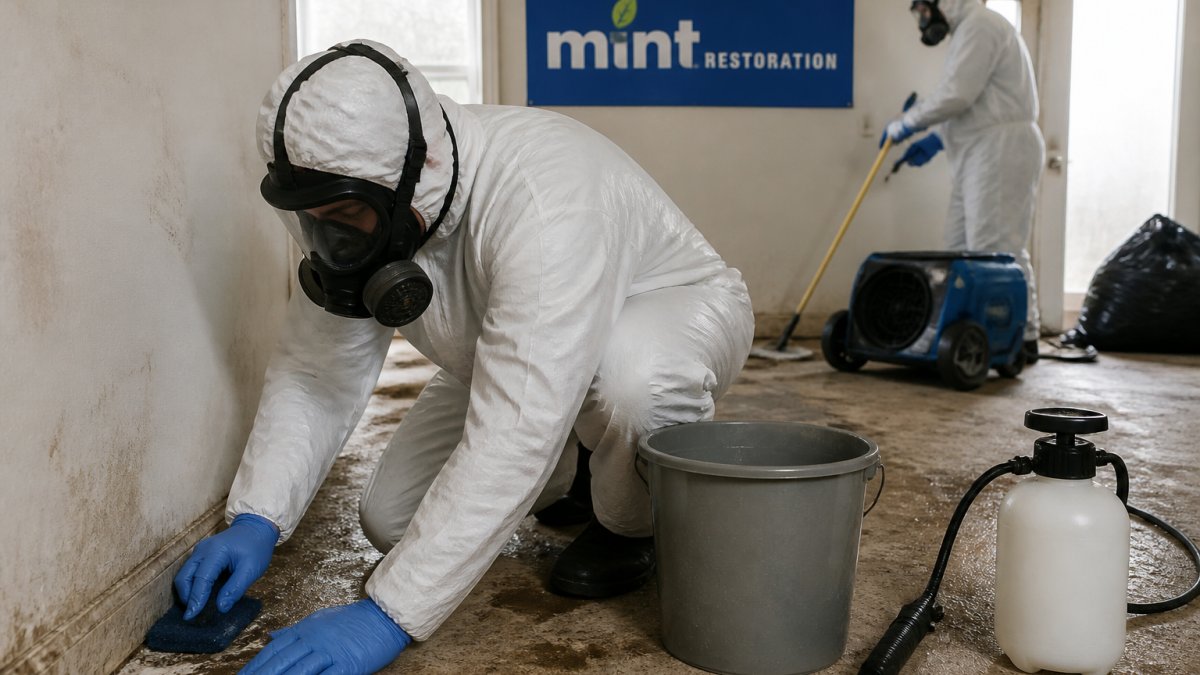
Technicians wear personal protective equipment, including respirators with appropriate cartridges, disposable coveralls, gloves, and eye protection. Containment prevents cross-contamination from dirty areas into clean ones, and negative air pressure controls airborne residue. Contaminated materials are bagged and disposed of as hazardous waste under applicable rules. If a provider cannot describe their containment setup and their waste-disposal channel in specific terms, that is a signal to keep looking.
Meth Cleanup Clearance Testing and What It Proves
Clearance testing confirms that residue levels in the tested areas fell below the applicable cleanup standard at the time of sampling. It is a point-in-time result, not a permanent guarantee.
What clearance testing does not establish: that untested areas are clean, that contamination cannot return, or that the property is safe for every use. This is why the sampling plan and the laboratory report matter as much as the final number.
Meth Remediation Cost Factors and Project Timelines
Meth remediation cost depends on the size of the affected area, whether the site was a lab or a smoking location, how much porous material must be removed, and how many rounds of testing are required.
Timelines follow the same logic. A single-room smoking case with limited soft surfaces can move quickly. A former lab with HVAC contamination can take considerably longer once removal, cleaning, and verification are complete.
| Factor | What It Changes | Typical Impact |
|---|---|---|
| Contamination type | Lab vs. smoking residue | Lab sites cost more |
| Affected area | Rooms and surfaces involved | Larger scope, higher cost |
| Porous materials | Removal vs. cleaning | Removal adds labor and disposal |
| Testing rounds | Failed clearance retests | Each retest adds time and cost |
| HVAC involvement | Duct and filter work | Extends timeline |
Choosing and Verifying a Meth Contamination Remediation Provider
Verification starts with documents, not promises, and the questions below are the ones that separate a remediation contractor from a general cleaning crew.
The Seven Documents to Request Before You Sign
- License, insurance, and bond certificates. Confirm the company is licensed to perform the work in this jurisdiction, carries general liability and workers' compensation coverage, and is bonded. Ask for the certificate of insurance directly from the carrier, not a photocopy from the contractor.
- Technician certifications. Ask which certifications their field technicians hold and whether those certifications are current. Common credentials in this industry include IICRC certifications and state-issued remediation credentials where applicable.
- A written sampling plan. The plan should list each wipe location, the surface sampled, and the accredited laboratory that will analyze the samples. If the plan is verbal, it is not a plan.
- A written remediation scope. The scope should describe containment methods, materials to be removed, cleaning methods, and the number of testing rounds included. Vague scopes are how change orders happen.
- Waste-disposal documentation. Ask for the waste manifest or disposal records from a recent comparable project. This tells you whether contaminated material is going through permitted channels or into a dumpster.
- Sample post-remediation reports. Ask to see a redacted clearance report from a similar property. A provider who cannot produce one has not done this work at scale.
- Warranty terms in writing. Understand what the warranty covers, how long it lasts, and what happens if clearance testing fails after the job is closed out.
Questions That Reveal Whether the Provider Understands the Work
- Who performs the clearance testing, your own technicians, or an independent third party? Independent clearance testing is the stronger arrangement because it removes the incentive to pass a marginal job.
- What happens if the first clearance round fails? Who pays for the retest, and how many retests are included in the scope?
- How do you handle HVAC systems, and do you sub-contract that work or perform it in-house?
Red Flags Worth Walking Away From
- A quote given before any inspection or sampling
- A promise to "clean it and it will be fine" with no baseline testing
- No written scope, no sampling plan, or no laboratory identified
How to Confirm Applicable Requirements
Cleanup standards, disclosure obligations, and waste-handling rules vary by jurisdiction and by property type. Before you hire anyone, confirm the applicable requirements with the state health department, the county environmental health office, and, for rental or real-estate transactions, a real estate attorney familiar with disclosure rules in your area. The Arizona Department of Health Services publishes state guidance on meth cleanup standards, and the National Institute on Drug Abuse documents methamphetamine's health effects.
Conclusion: Safe Reoccupancy Starts With the Right Process
Meth contamination is a documented environmental problem, and guessing your way through it costs more in the end. Whether you own, rent, or sell a contaminated property, the path to safe reoccupancy runs through assessment, professional remediation, and verified clearance testing. Mint Restoration handles the full process with 60-minute on-site response, 24/7 emergency availability, and a one-year warranty, so you can move forward with confidence. Get a quote from Mint Restoration and put a certified team on the job.
Frequently Asked Questions
How is meth contamination tested in a property?
A qualified inspector collects surface samples from walls, countertops, vents, and other high-touch areas using swabs or wipes, then sends them to an accredited laboratory for analysis. Results are reported in micrograms per 100 square centimeters and compared against state cleanup standards. Testing should follow a written sampling plan that covers every room and porous material, because contamination is rarely uniform. Meth residue testing is the only reliable way to confirm whether a property is affected and how far the contamination has spread.
Can I clean meth residue myself?
Household cleaning is not enough for meth residue. Standard detergents do not break down methamphetamine, and porous materials like carpet, drywall, and insulation trap contamination that surface wiping cannot reach. Disturbing contaminated surfaces without personal protective equipment also exposes you to hazardous materials. Professional meth contamination remediation uses containment, HEPA filtration, appropriate chemicals, and controlled waste disposal, followed by clearance testing to confirm the property is safe to reoccupy.
How long does meth contamination remediation take?
Most residential projects take several days to a few weeks, depending on the size of the property, contamination levels, and how much material must be removed. A former meth lab with heavy contamination takes longer than a unit where meth was only smoked. Testing, containment setup, material removal, cleaning, and clearance testing all add time. Your provider should give you a written scope and schedule before work starts so you know what to expect.
How do I choose a qualified meth remediation company?
Look for a licensed, insured, and bonded contractor with documented experience in hazardous materials and meth contamination remediation. Ask for certifications such as IICRC or RIA credentials, a written remediation scope, and a clearance testing plan that uses an independent laboratory. Confirm the company handles hazardous waste disposal legally and provides a warranty on its work. Get the scope, timeline, and meth remediation cost factors in writing before you sign anything.