 how-to
Emergency Disaster Recovery Services in Yuma: A How-To Guide
Table of Contents
- What to Do in the First 60 Minutes After Property Damage
- Emergency Response Time for Property Damage: What to Expect
- Your Disaster Recovery Planning Checklist
- Commercial Water Damage Restoration: Specialized Recovery for Businesses
- DIY vs. Professional Disaster Recovery: When to Call in the Experts
- Local Climate Risks and How They Affect Disaster Recovery in Yuma
- Working with Insurance and Choosing a Licensed Restoration Contractor
- Frequently Asked Questions
Last Updated: October 2, 2026
What to Do in the First 60 Minutes After Property Damage
When a pipe bursts, a fire is extinguished, or floodwater recedes, the first 60 minutes determine how much of your property you save. Emergency disaster recovery services in Yuma exist for exactly this window, and what you do before help arrives matters as much as the help itself. At Mint Restoration, we've responded to these calls across more than 30 years, and the pattern is always the same: fast action limits damage, delay multiplies it.
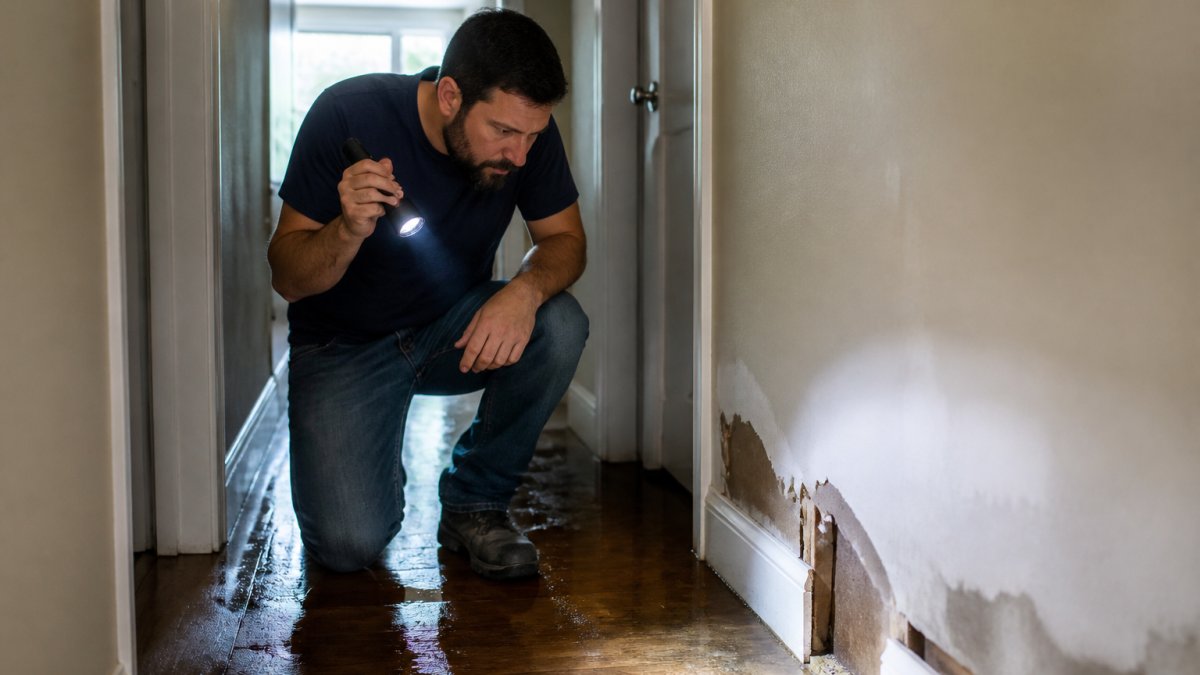
Here's your immediate checklist:
- Shut off the water main or gas line if it's safe to reach
- Cut power at the breaker only if water is near outlets or wiring
- Photograph and video every affected room before touching anything
- Move furniture, rugs, and electronics off wet flooring
- Call your insurance company and open a claim number
- Call a 24/7 restoration team for damage assessment
Emergency Response Time for Property Damage: What to Expect
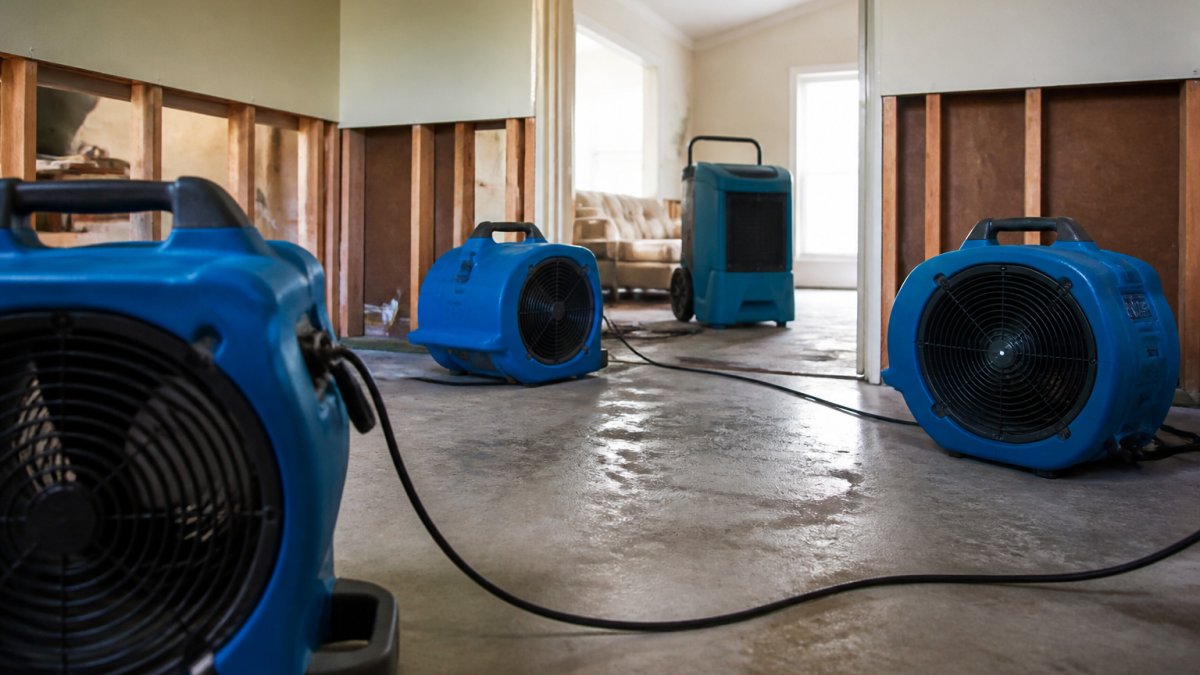
A reliable restoration company should reach your property within 60 minutes of your call, around the clock. Anything past two hours gives water time to wick into drywall, subflooring, and framing, which turns a drying job into a rebuild.
Response time breaks into three stages:
| Stage | Typical Timing | What Happens |
|---|---|---|
| Dispatch and arrival | 0-60 minutes | Team is paged, routed, and on site |
| Damage assessment | First 30-60 minutes on site | Moisture mapping, hazard check, scope of loss |
| Mitigation begins | Same visit | Water removal, drying equipment, board-up |
Your Disaster Recovery Planning Checklist
Household and small-property checklist
- Document shut-off locations for water, gas, and power, and photograph each valve with a label so anyone in the household can find it in the dark
- Store insurance policy numbers, your agent's direct line, and a home inventory in cloud storage and on a USB drive kept in your go-bag
- Photograph every room, appliance, and valuable for a pre-loss record, open closets and cabinets so contents are visible
- List emergency contacts: utility providers, insurer, restoration company, and a neighbor with a spare key
- Keep a go-bag with medications, chargers, important documents, and at least three days of water per person
- Trim trees and secure patio furniture, shade sails, and trash bins before monsoon season (July-September)
- Check that your roof, flashing, and attic vents are sealed before the first storm
- Test sump pumps and floor drains, and clear any debris from exterior drainage paths
Business continuity checklist
- Identify a primary and backup incident commander
- Document critical systems, servers, and records, and where backups live
- List key vendors: restoration contractor, electrician, plumber, IT recovery, security
- Establish a communication tree for employees, tenants, and customers
- Pre-negotiate a service agreement with a restoration company so you skip the intake queue during a regional event
- Review lease obligations for restoration, access, and notice requirements
- Run a tabletop drill once a year and update the plan afterward
Why local hazards change the plan
Review the plan once a year and after any near-miss. A plan you have never read under pressure is not a plan, it is a document.
Commercial Water Damage Restoration: Specialized Recovery for Businesses
Commercial water damage restoration is a different job than residential work. A burst supply line in a retail store, restaurant, medical office, or warehouse can shut down revenue, displace tenants, and trigger lease obligations, so the recovery has to run on a tighter clock and a bigger scale.
What changes on a commercial project
- Scale of drying. Large open floor plans need commercial-grade dehumidification and air movers, not box fans. A restaurant with a grease-trapped kitchen, a clinic with sterile rooms, and a warehouse with racking all require different airflow plans.
- Business continuity. Teams often work in phases so part of the building stays open, or schedule overnight and weekend work to avoid disrupting operations.
- Documentation. Property managers need detailed moisture logs, daily reports, and photo documentation for ownership, lenders, and insurers.
- Hazard screening. Older commercial buildings may contain asbestos, lead paint, or other materials that require testing before demolition, a step residential jobs rarely trigger.
- Code and compliance. Commercial rebuilds must meet current building, fire, and accessibility codes, which can change the scope of reconstruction beyond a like-for-like repair.
Property types and what each one demands
- Restaurants and food service. Grease, refrigeration, and health-department rules mean water intrusion can force an immediate closure. Recovery has to address food safety, equipment salvage, and re-inspection.
- Medical and dental offices. Contamination control, patient privacy, and sterilization areas raise the bar on containment and documentation.
- Retail and hospitality. Customer-facing spaces need fast turnaround and clean finishes; a visible restoration project can drive customers away even after the water is gone.
- Warehouses and light industrial. Racking, inventory, and forklift traffic change how drying equipment is placed and how quickly a space can be returned to service.
- Multi-tenant offices. Landlord-tenant boundaries, shared HVAC, and lease notice requirements all shape who pays and who authorizes work.
How continuity actually works
Insurance and lease considerations
DIY vs. Professional Disaster Recovery: When to Call in the Experts
You can handle a small, clean-water spill yourself. You should call a professional for anything involving contamination, structural saturation, or a claim over a few hundred dollars.
Use this threshold guide:
| Situation | DIY OK? | Why |
|---|---|---|
| Small clean-water spill, dried within hours | Yes | Limited moisture, no contamination |
| Water sitting overnight in carpet or drywall | No | Hidden saturation, mold risk within days |
| Sewage, flood, or storm water | No | Contaminated; requires certified remediation |
| Any fire or smoke damage | No | Residue is corrosive and travels through HVAC |
| Visible mold growth | No | Disturbing it without containment spreads spores |
Local Climate Risks and How They Affect Disaster Recovery in Yuma
Yuma's climate creates a specific set of property risks that generic restoration advice ignores. Extreme summer heat, monsoon storms, and flash flooding drive most of the emergency calls here, and each one demands a different recovery approach.
- Monsoon storms (July-September): High winds tear roofing and drive rain into attics, so roof tarping and ceiling drying are common first steps.
- Flash flooding: Desert soil absorbs water slowly, so runoff pools against foundations and enters through slab cracks and doorways.
- Extreme heat: Rapid evaporation can hide deep moisture and warp wood flooring before you notice a problem.
- Dust and wind: Fine particles infiltrate HVAC systems after storms, which is why duct cleaning often follows water or fire events.
Working with Insurance and Choosing a Licensed Restoration Contractor
Most property insurance policies cover sudden and accidental damage, but the claim process rewards preparation. Before you hire anyone, confirm three things about your contractor: licensing, insurance, and certification.
What to verify:
- State licensing as a general contractor
- Active liability insurance and bonding
- Certification from recognized bodies such as the IICRC, RIA, or ASCR
- Willingness to work directly with your adjuster
How long does disaster recovery take?
Most water damage mitigation takes three to five days of drying, while full reconstruction after fire or flood can run several weeks. Timeline depends on the extent of damage, material types, and how quickly mitigation starts. Faster response almost always means shorter recovery.
Do I need to move out during restoration?
For small water losses, most homeowners stay in place. For fire, mold, asbestos, or sewage contamination, temporary relocation is often necessary to protect your health. Your contractor should tell you clearly at the assessment stage.
Frequently Asked Questions
What are the first steps to take after commercial property damage?
First, ensure everyone is safe and call 911 if there's any immediate danger. Then, contact your insurance company and a professional restoration service like Mint Restoration. Document the damage with photos and videos, but don't enter unsafe areas. If it's water damage, try to shut off the water source if possible. Avoid using electrical devices in wet areas. Mint Restoration offers 24/7 emergency response and can be on-site within 60 minutes to assess and mitigate further damage.
How quickly can disaster recovery services respond to a business emergency?
Response times vary by provider, but Mint Restoration guarantees a 60-minute on-site response for emergency calls in Yuma and surrounding areas. We're available 24/7, including holidays, so you can reach us anytime. When you call, our team dispatches immediately and keeps you informed of arrival time. Fast response is critical to minimize damage and reduce recovery costs.
What is included in a professional commercial disaster recovery plan?
A comprehensive plan includes a risk assessment, emergency contact list, evacuation routes, and protocols for various disasters like fire, flood, or mold. It also outlines steps for data backup, communication with employees and customers, and coordination with restoration experts. Mint Restoration can help you with disaster recovery planning, ensuring you're prepared before disaster strikes.
How do I choose a licensed restoration contractor for my business?
Look for contractors who are licensed, insured, and bonded, and have certifications from organizations like IICRC, RIA, or ASCR. Check for experience with your type of damage and ask for references. Mint Restoration is a fully licensed, insured, and bonded general contractor with over 30 years of experience and a one-year warranty on all work. We also work directly with your insurance company to simplify the claims process.
Property damage never waits for a convenient moment, and the difference between a quick fix and a months-long rebuild usually comes down to how fast a professional team gets on site. Mint Restoration brings over 30 years of experience, a 60-minute on-site response, and 24/7 availability to every call, backed by a one-year warranty and direct insurance billing. Get a quote from Mint Restoration and let a licensed, certified team restore your property to its pre-disaster condition.