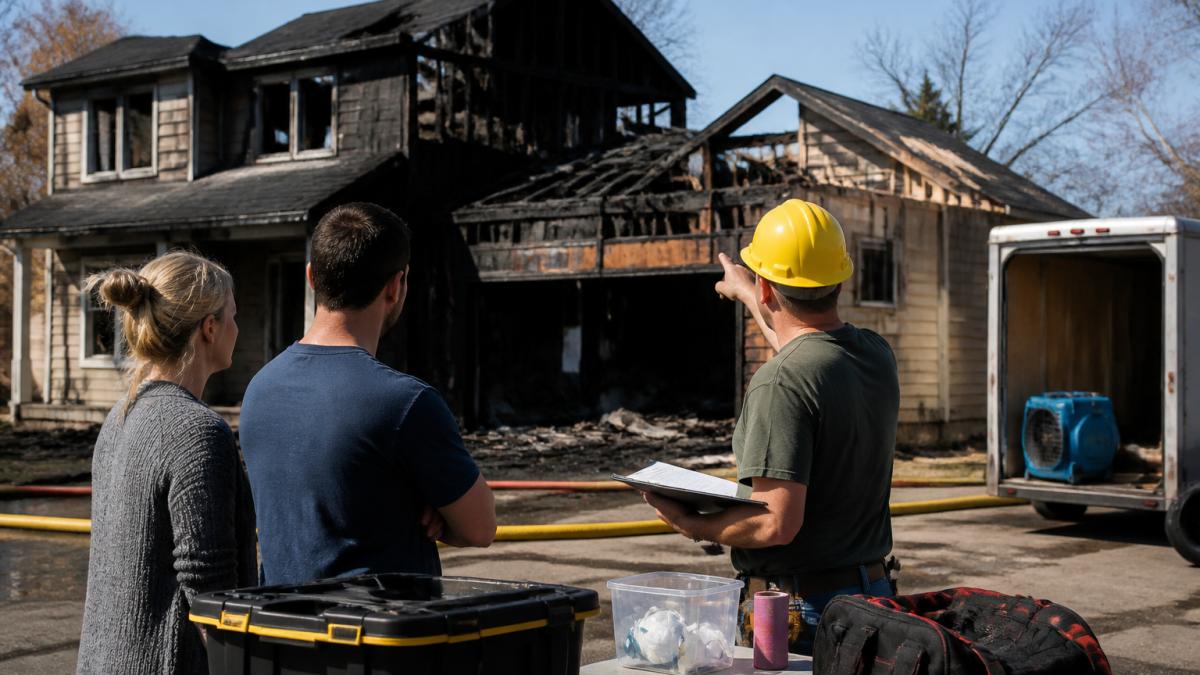
 how-to
Immediate Steps After a House Fire: What to Do First
Table of Contents
- First Minutes and Hours: Immediate Steps After a House Fire
- Staying Safe Around Smoke, Soot, and Contaminated Water
- What to Save After a House Fire (and What to Leave Behind)
- Temporary Housing After a House Fire: Your First 48 Hours
- Your House Fire Insurance Claim Checklist
- The Fire Damage Restoration Process: What Happens Next
- Frequently Asked Questions
Last Updated: October 5, 2026
First Minutes and Hours: Immediate Steps After a House Fire
The most important of all steps after house fire is to get everyone out and stay out.
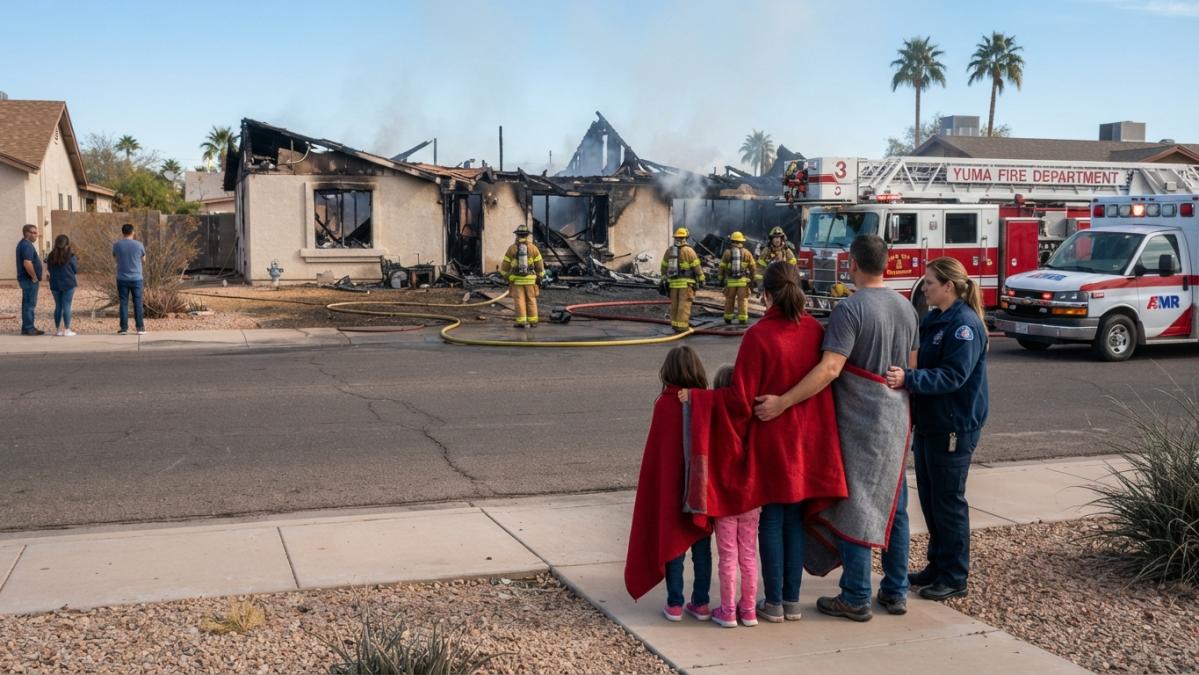
The immediate steps after a house fire follow a clear order: safety first, then the all-clear, then your insurance company.
Do not run back inside for photos, pets, or paperwork. Fire crews need space, and hidden dangers remain long after the flames die down.
Get Everyone to Safety and Call 911
Get out first, then call for help. Stay at a safe distance and tell responders if anyone or any pets are still inside.
Count heads, including guests. If someone is missing, tell a firefighter immediately, never go back in yourself.
Wait for the All-Clear Before Returning Home
Do not re-enter until the fire department gives the all-clear. Even a small fire can leave structural damage, live wires, and gas leaks.
If you cannot return, ask responders about emergency assistance and temporary shelter. Many local agencies and the American Red Cross help with food, clothing, and housing.
Staying Safe Around Smoke, Soot, and Contaminated Water
Smoke, soot, and dirty firefighting water are health hazards, not just messes, exposure risks are the part people most often underestimate.
What Is Actually in the Air and on the Surfaces
Smoke from a house fire is a mix of fine particulates, carbon monoxide, hydrogen cyanide, and volatile organic compounds released by burning plastics, foam, synthetics, and treated wood. Soot is the visible carbon fraction but carries those same chemicals and can be acidic. Firefighting water picks up ash, char, and chemical residue, so standing water and soaked drywall are contaminated, not just wet.
Three practical implications:
- Particulates reach deep lung tissue. Standard dust masks do not seal or filter at that level; an N95 or P100 respirator with a proper face seal is the minimum for short entries.
- Soot residue is acidic and abrasive. It etches metal, pits glass, and stains porous surfaces within hours, and repeated skin contact causes dermatitis.
- Contaminated water is a Category 3 (grossly contaminated) loss under the IICRC S500 standard, which drives what can be dried and saved versus what must be removed.
Who Is at Highest Risk
Take these groups out of the cleanup rotation entirely:
- Children, whose lungs are still developing and who put contaminated hands or objects in their mouths.
- Older adults, especially those with heart or lung conditions.
- Pregnant people, because carbon monoxide and fine particulates cross the placenta.
If anyone in these groups was inside during the fire or since, tell a medical provider even if they seem fine.
Warning Signs and When to Seek Care
Mild, short-lived symptoms after brief exposure are common; escalating or persistent symptoms are not. Watch for:
- Coughing, wheezing, or shortness of breath that is getting worse
- Burning eyes, nose, or throat that does not clear after leaving
- Headaches, dizziness, nausea, or confusion, possible carbon monoxide exposure
Seek care promptly if symptoms worsen, persist more than a day or two after leaving, or if anyone lost consciousness. Carbon monoxide poisoning can present with flu-like symptoms hours later and cause delayed neurological effects.
How to Reduce Exposure During Short Entries
If officials allow brief access for essentials, treat it as a hazardous-materials entry:
- Wear an N95 or P100 respirator, nitrile or rubber gloves, long sleeves, long pants, and closed shoes or boots.
- Limit the visit to 15-20 minutes; leave sooner if you feel lightheaded.
- Do not eat, drink, or smoke inside.
- Do not disturb soot or ash, moving it re-suspends particles.
- Shower and change clothes immediately after, washing contaminated clothing separately.
- Do not let children or pets enter, even briefly.
Pets and Livestock
Animals often show smoke effects before people do because they are closer to the floor, where heavier particulates settle, and cannot leave on their own. Watch for coughing, lethargy, drooling, red or irritated eyes, vomiting, and difficulty breathing.
- Contact a veterinarian if any of those signs appear, even mildly.
- Do not let pets return until the property has been cleared and cleaned.
- Wash exposed pets with a mild pet-safe shampoo; do not let them lick soot off themselves.
A Note on Re-Entry Timing
Even after the fire department gives the all-clear for structural safety, air quality inside can remain poor for days. The all-clear means the building will not fall on you, not that the air is clean. If you must spend time inside before professional cleaning, keep visits short, ventilate, and wear respiratory protection. If you smell smoke strongly, assume particulates are present.
What to Save After a House Fire (and What to Leave Behind)
Save only what is safe and easy to reach. Grab medications, ID, and essential documents if you can do so quickly and safely. Leave everything else until a professional clears the property.
Items worth taking if it is safe:
- Prescription medications and medical devices
- Driver's license, passport, and Social Security cards
- Insurance policies and bank cards
Leave behind any food, drinks, or medicine exposed to heat, smoke, or soot, they can be contaminated even if they look fine. Also leave damaged electronics and anything with a strong smoke smell until cleaned or replaced.
Temporary Housing After a House Fire: Your First 48 Hours
Temporary housing after a house fire depends on your damage and policy. Many homeowners policies include loss-of-use coverage, which can pay for a hotel or rental while your home is repaired.
In the first 48 hours, the steps after house fire focus on the basics:
- Find a safe place to sleep
- Replace medications and essential items
- Contact family and account for everyone
Keep every receipt, hotel bills, meals, and clothing may be reimbursable. Ask your adjuster what your policy allows before you spend.
Your House Fire Insurance Claim Checklist
Your house fire insurance claim checklist starts with one call: notify your insurer or agent as soon as you are safe. Report the fire, get a claim number, and ask what to do next. Everything after is documentation and communication.
The First Call: What to Have Ready
Before you dial, gather what you can:
- Policy number (or the address and name on the policy)
- Date, time, and cause of the fire, as far as you know
- A callback number and a safe mailing address
Ask three questions on that first call:
- What is my claim number and who is my assigned adjuster?
- Does my policy include loss-of-use or additional living expenses (ALE) coverage, and what is the daily or total limit?
- What do you need from me first, and by when?
Write the answers down. You will refer to them repeatedly.
The Master Checklist
- Call your insurance company and open a claim
- Record your claim number, adjuster name, and direct phone or email
- Confirm your loss-of-use / ALE coverage and limits in writing
Build a Damage Log (Sample Structure)
A damage log records what was damaged, when you noticed it, and what it looked like. Adjusters work from documentation, and memory fades, so use a notebook or spreadsheet with these columns:
| Date | Room / Area | Item or Damage | Description | Photo / Video Ref | Est. Value | Notes |
|---|---|---|---|---|---|---|
| 10/06 | Kitchen | Upper cabinets | Char and smoke damage, doors warped | IMG_0142-0149 | $2,400 | Pre-fire condition good |
| 10/06 | Living room | Sofa | Soot residue, water saturation | IMG_0151-0156 | $1,100 | Purchased 2022 |
| 10/07 | Basement | Standing water | 2 inches, contaminated | IMG_0160-0165 | , | Category 3 per remediation tech |
Photograph each room from the doorway first, then move in. Capture wide shots, close-ups, and serial numbers or model plates on appliances and electronics. Narrated video walkthroughs are especially useful because they show spatial relationships in real time.
Build an Expense Tracker
Loss-of-use and ALE reimbursements require receipts. Track every recovery-related expense from day one, even small ones.
| Date | Category | Vendor | Amount | Receipt? | Reimbursable? |
|---|---|---|---|---|---|
| 10/06 | Lodging | Hotel | $142.00 | Yes | Likely, ALE |
| 10/06 | Meals | Grocery | $68.40 | Yes | Ask adjuster |
| 10/07 | Clothing | Retail | $210.00 | Yes | Likely, ALE |
| 10/07 | Pet boarding | Vet clinic | $95.00 | Yes | Ask adjuster |
Common categories: lodging, meals above normal grocery spend, clothing, toiletries, laundry, transportation, pet boarding, medication replacement, and storage. Keep the original receipt and a phone photo noting the date and amount.
Questions to Ask Your Adjuster
Work through these at your first substantive conversation:
- What is the difference between actual cash value (ACV) and replacement cost value (RCV) in my policy, and which applies to my contents?
- Is there a separate limit for contents versus the dwelling?
- What is my deductible, and is it applied per occurrence?
Keep a written record of every call: date, who you spoke with, and what was said. If you get a verbal commitment, ask for it in writing or confirm by email.
Working With Adjusters and Contractors
The adjuster evaluates the loss against the policy; yours is to document it thoroughly. Those goals are not in conflict, but they require you to be organized.
- Do not sign a release, proof of loss, or settlement agreement until you understand what it covers and waives.
- Do not authorize repairs before the adjuster inspects, unless emergency board-up or water mitigation is needed to prevent further damage, and tell your adjuster immediately if you do.
- Get at least two written estimates for any significant repair work.
The Fire Damage Restoration Process: What Happens Next
The fire damage restoration process usually moves through six stages. Knowing them helps you track progress and ask better questions.
| Stage | What Happens | Typical Timing |
|---|---|---|
| Emergency board-up | Cover doors, windows, and roof openings | Same day |
| Damage assessment | Inspect structure, smoke, and water damage | First 1-3 days |
| Water removal | Pump out and dry firefighting water | First few days |
| Soot and smoke cleanup | Clean surfaces, seal odors | First 1-2 weeks |
| Repairs and rebuild | Fix structure, drywall, paint, and flooring | Weeks to months |
| Final walkthrough | Confirm the work meets the claim scope | At project end |
At Mint Restoration, our IICRC certified technicians handle fire, smoke, and water damage.
Watch for scams. Some crews show up uninvited after a fire and pressure you to sign on the spot. Never sign a contract you have not read or pay in full upfront.
Frequently Asked Questions
What should you do immediately after a house fire?
Get everyone to safety and call 911 first. Once the fire department gives the all-clear, do not re-enter until officials confirm it is safe. Contact your insurance company or agent promptly, document fire and smoke damage with photos or video, and secure the property by covering openings such as doors and windows. These immediate steps after a house fire protect your family and your claim.
When is it safe to return to a house after a fire?
Only return after the fire department confirms it is safe. Fires can leave structural damage, gas leaks, and electrical hazards that are not visible. Even after the all-clear, avoid damaged areas. If you smell gas or see exposed wiring, leave and call the fire department. A professional damage assessment is the safest way to confirm the home is habitable.
Should you clean up smoke damage yourself?
No. Smoke residue contains soot and chemicals that can harm your lungs and worsen with improper cleaning. DIY wiping can spread soot deeper into surfaces and fabrics. The fire damage restoration process uses specialized equipment and techniques to remove smoke odor and residue safely. Leave cleanup to trained professionals, especially if the fire was large or involved synthetic materials.
How do you start an insurance claim after a house fire?
Call your insurance company or agent as soon as it is safe. Ask what your policy covers for temporary housing after a house fire and what documentation they need. Take photos and video of all damage, list damaged personal belongings, and keep receipts for recovery expenses. Your adjuster will schedule a damage assessment. A house fire insurance claim checklist helps you track every step.
A house fire turns your life upside down, and the days after are hard to sort through alone. Mint Restoration has more than 30 years of experience helping homeowners recover from fire, smoke, and water damage. We are a fully licensed, insured, and bonded general contractor with 24/7 emergency availability and a one-year warranty on all work. Get a quote from Mint Restoration and take the next step toward getting your home back.