 Ultimate guide
How Is Residential Asbestos Removal Done in Yuma?
Last Updated: November 7, 2026
Quick Summary
Residential asbestos removal starts with an inspection, where a qualified inspector identifies suspect materials and collects samples for lab testing. If asbestos is confirmed, the work follows a regulated sequence: containment, removal with wetting and bagging, cleanup, clearance testing, and licensed disposal.
- Sampling is usually the largest variable in early costs, so ask how many samples will be collected.
- Lab results determine whether a removal project is required, so keep the report with your records.
- Work begins with containment, including sealed doorways, shut-down HVAC, and negative-pressure HEPA filtration.
- Clearance testing collects air samples after cleanup to confirm the space is safe to reoccupy.
- Ask for a waste manifest or disposal receipt before final payment and keep it with your records.
Table of Contents
- What Happens During an Asbestos Inspection for Homes
- Identifying Asbestos-Containing Materials and Laboratory Testing
- The Residential Asbestos Removal Process, Step by Step
- How Long an Asbestos Abatement Timeline Takes at Home
- What Asbestos Removal Costs and What Drives the Price
- Confirming the Work Is Done with Asbestos Clearance Testing
- Scheduling Your Asbestos Removal Project With Mint Restoration
- Frequently Asked Questions
What Happens During an Asbestos Inspection for Homes
Residential asbestos removal starts with an inspection, not a demolition crew. A qualified inspector looks at the materials in the home that may contain asbestos, such as floor tiles, pipe insulation, popcorn ceilings, and older joint compound, and decides which ones need sampling. Mint Restoration recommends slowing down at this stage, because the inspection determines the scope, the cost, and the safety plan for everything that follows.
Why Sampling Determines the Cost
Sampling is usually the largest variable in the early budget. The number of samples collected is a major factor in the price of testing. More samples mean more lab fees and a more complete picture of the home, so a homeowner who pays for thorough sampling up front often avoids surprise add-ons later. Ask the inspector how many samples they plan to collect and from which rooms before you agree to any scope.
Identifying Asbestos-Containing Materials and Laboratory Testing
Asbestos-containing materials (ACMs) are building products that contain asbestos fibers, and they cannot be identified by appearance alone. Samples go to an accredited laboratory, which reports whether asbestos is present and in what percentage. A lab result is the document that tells you whether a removal project is required, so keep it with your records. Interpreting that report is the step many homeowners find confusing, and it is worth asking the inspector to walk you through each line before work begins.
The Residential Asbestos Removal Process, Step by Step
Once testing confirms ACMs, a residential abatement follows a regulated sequence: prepare and contain the work area, remove the material using dust-suppression methods, clean the space, and verify it with clearance testing. Federal asbestos rules generally require that work disturbing regulated asbestos-containing material be inspected and reported to the appropriate regulatory agency before work begins (the EPA). Check with your local authorities for the requirements that apply to your project. Ask your contractor who files that notification and get a copy.
Step 1: Containment and Work-Area Preparation
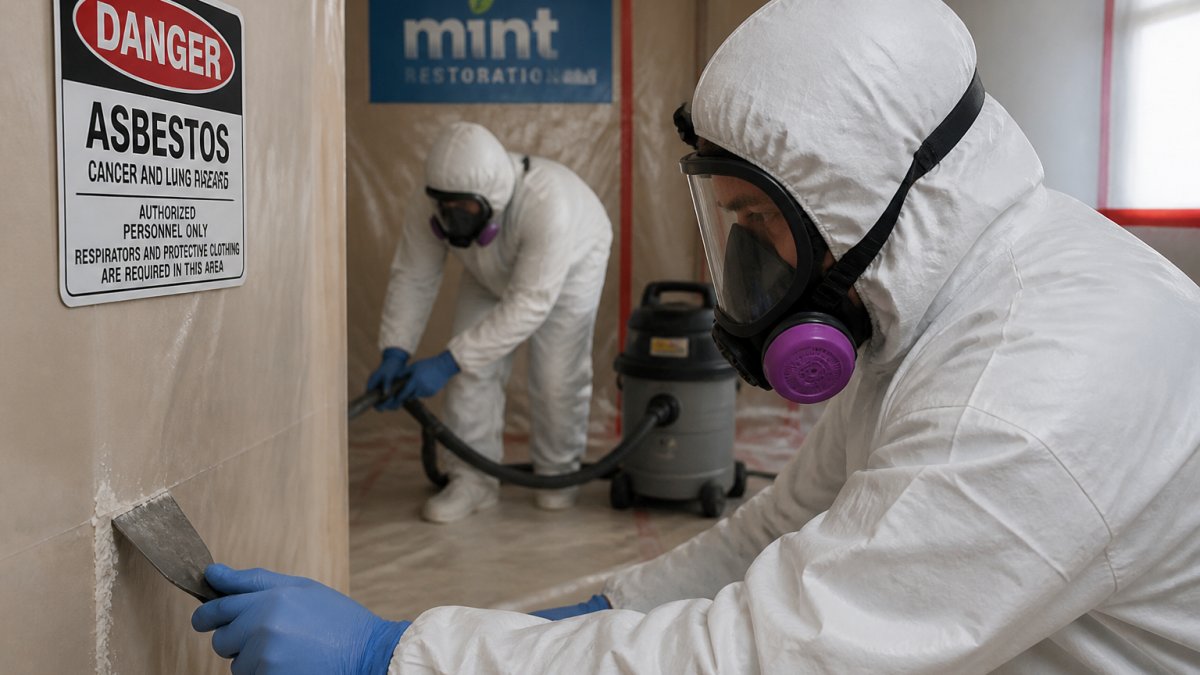
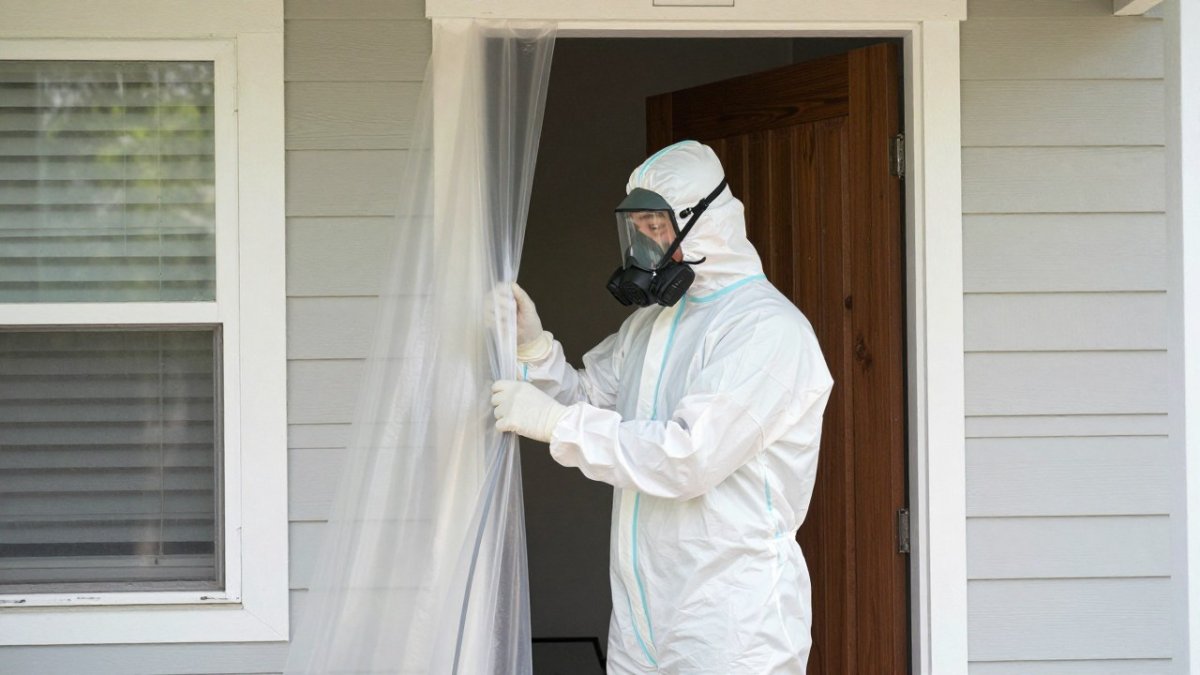
Before any material is disturbed, the crew seals doorways, vents, and the work area with plastic sheeting, shuts down and seals the HVAC system, and sets up negative-pressure HEPA filtration so air flows into the work zone rather than out of it. Crew members wear respirators and disposable coveralls, and a decontamination area is set up for leaving the zone. You will usually be asked to clear belongings, pets, and occupants from the affected rooms and often from adjacent spaces. Watch out: if a contractor starts pulling material before containment and negative pressure are in place, stop the work and ask for the written work plan.
Step 2: Removal, Wetting, and Bagging
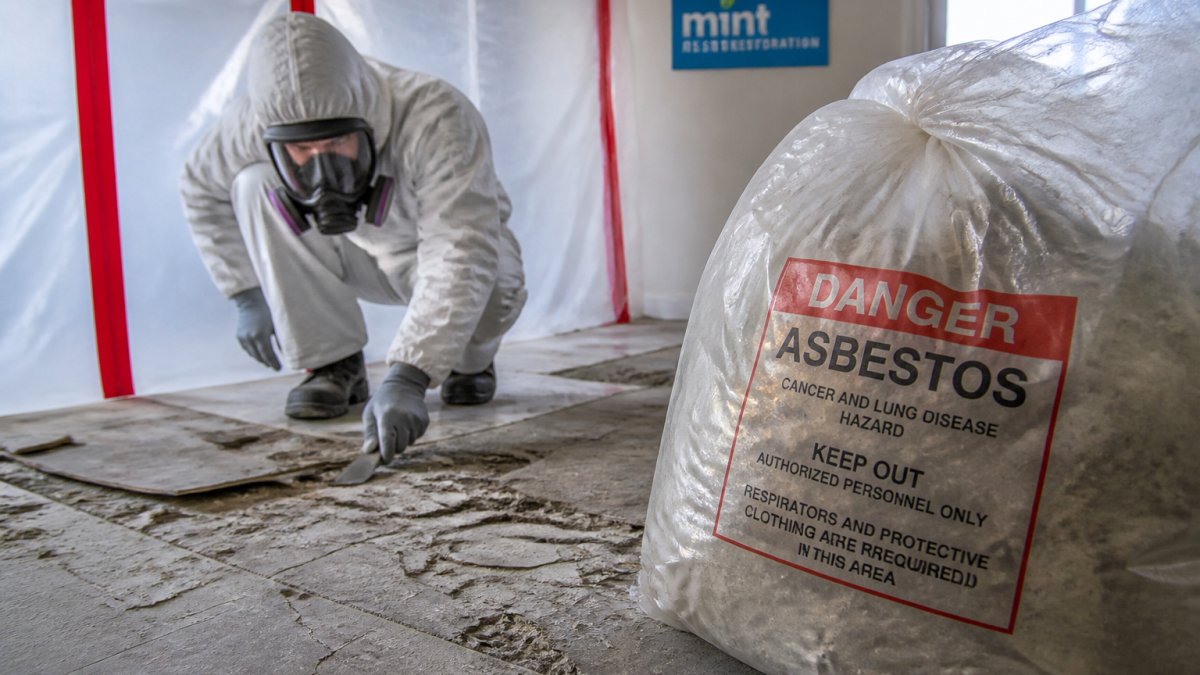
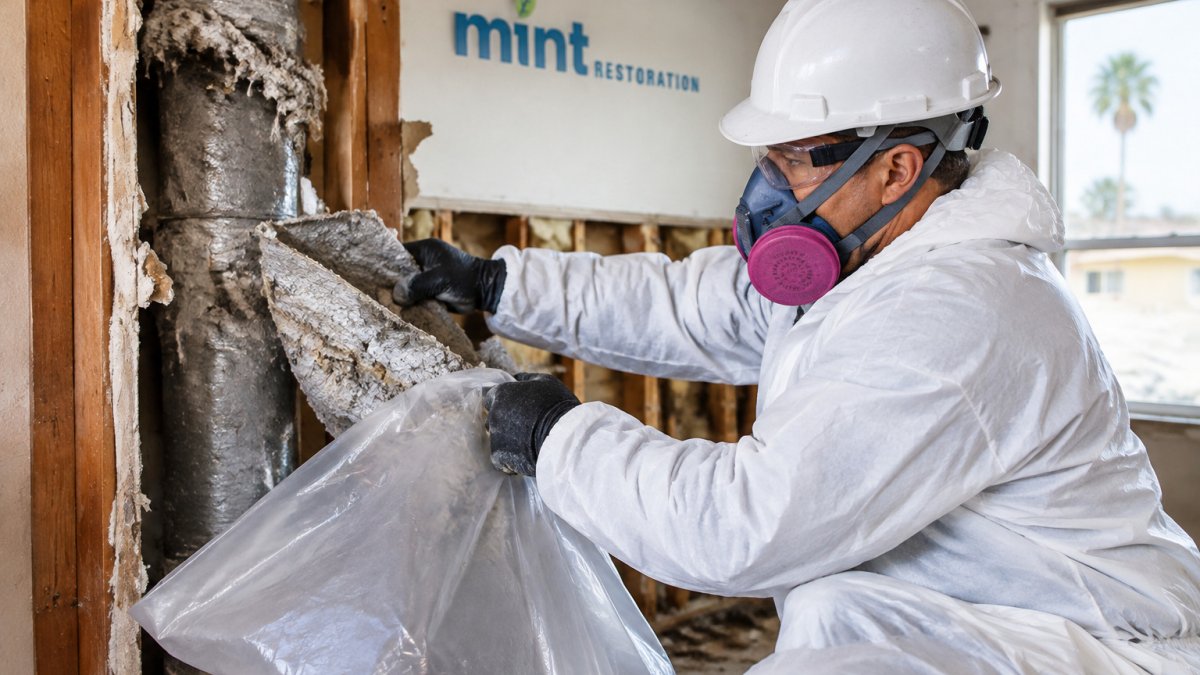
Materials are kept wet during removal to suppress fiber release, then bagged and sealed in labeled containers. Regulated waste is handled under NESHAP requirements, including wetting, sealing in leak-tight containers, and labeling (the EPA). Friable material such as pipe insulation and popcorn ceiling texture is handled more cautiously than intact floor tile, which is one reason two homes of the same square footage can carry very different labor and disposal costs.
Step 3: Cleanup and Clearance
The crew cleans surfaces with HEPA vacuums and wet methods, then an independent inspector collects air samples for laboratory analysis. The clearance report is the document that says the space is safe to reoccupy. Keep it with your home records.
Step 4: Disposal and Documentation
Waste goes to a licensed disposal facility that accepts asbestos waste, and the contractor should provide a waste manifest or disposal receipt showing where it went. Ask for that documentation before final payment, and keep it with the clearance report and the original inspection and lab results.
The removal follows a regulated sequence, with each step summarised below.
| Step | What happens | Key detail |
|---|---|---|
| 1. Containment | Seal doorways, vents and HVAC; set up negative-pressure HEPA filtration | Crew wears respirators and disposable coveralls |
| 2. Removal and bagging | Keep material wet, then bag and seal in labeled containers | Handled under NESHAP requirements |
| 3. Cleanup and clearance | Clean with HEPA vacuums and wet methods, then collect air samples | Independent inspector sends samples to a lab |
| 4. Disposal and documentation | Send waste to a licensed facility and collect the manifest or receipt | Request documentation before final payment |
How Long an Asbestos Abatement Timeline Takes at Home
Most ranking pages describe the process but never tell a homeowner what the calendar actually looks like. Here is the stage-by-stage picture, with the factors that stretch each one.
- Inspection and sampling: usually a single visit, with lab results typically back in a few business days. Larger homes or multiple suspect materials mean more samples and a longer turnaround.
- Scope review and scheduling: the contractor turns the lab report into a written scope and timeline. Scheduling is the most common source of delay, especially when the work area must be vacated or when a specialty crew is booked out.
- Containment and removal: a small, single-room project can often be completed in a day or two; larger or multi-material projects can run a week or more. Accessibility, material type, and the amount of material drive this stage.
- Cleanup and clearance testing: air samples are collected after cleanup and sent to a lab, which typically adds a few business days before results are final.
- Disposal and closeout: waste transport and disposal documentation add time after the work area is cleared.
A realistic single-family project therefore often runs from a couple of weeks to several weeks from first inspection to final clearance report. Build lab turnaround and scheduling into your plans, and ask the contractor for a written timeline with milestones rather than a single completion date. To compare how commercial jobs are scheduled and handled, see Commercial Asbestos Removal Services Yuma AZ.
Preparing Your Home and What to Expect During Work
Plan to vacate the affected rooms, and sometimes adjacent spaces, for the duration of containment and removal. Move or cover belongings, arrange for pets to be out of the work zone, and confirm how the crew will access the area and where they will stage equipment. Ask who your point of contact is, how often you will get updates, and what the contractor needs from you before the first day. Watch out: a contractor who cannot tell you when the work area will be sealed and when clearance sampling will occur is a sign the schedule has not been planned.
What Asbestos Removal Costs and What Drives the Price
Cost depends on the scope of ACMs, the number of samples, accessibility, and disposal fees. Banner Environmental indicates that a small residential project may cost a few thousand dollars, but that figure is general guidance rather than a Yuma-specific estimate. Pricing depends on the size and location of the work, and current pricing is available through a written quote after inspection. Compare quotes on identical scopes, including sampling, containment, disposal, and clearance testing, so you can judge which price is fair. For guidance on vetting contractors before you compare bids, read Hiring Asbestos Removal Contractors Safely.
Confirming the Work Is Done with Asbestos Clearance Testing
Clearance testing is the final check that the work area is safe to reoccupy. An independent inspector takes air samples after the cleanup and sends them to a lab, and the results document that the space meets the required standard. Keep the clearance report with your home records, since it is the proof that the removal was completed and verified.
Scheduling Your Asbestos Removal Project With Mint Restoration
Mint Restoration is a fully licensed, insured, and bonded general contractor, and we can coordinate inspection, sampling, removal, and clearance under one plan. Before you book, verify that your abatement contractor is licensed so you know the company you hire is qualified for this work. If your property also has other contamination concerns, our team can advise on meth contamination cleanup as part of the overall assessment. To start, request a quote for your asbestos removal project and we will walk through the inspection, the sampling plan, and a written timeline for your home.
Frequently Asked Questions
How expensive is it to demolish a house with asbestos?
Demolishing a house with asbestos costs more than a standard demolition because the asbestos-containing materials must be identified, removed and disposed of before the structure comes down. Abatement is usually completed first, then demolition proceeds. Costs depend on the amount and location of the material and on disposal fees. Get a written estimate from a licensed contractor that separates abatement from demolition so you can compare line items. Mint Restoration can provide a quote after an on-site assessment.
How hard is it to remove asbestos from a home?
Removal itself is physically demanding and requires specialized training, not special strength. Crews work in sealed containment with respiratory protection, wet the material to limit fiber release and bag or double-wrap it for disposal. Difficulty rises with friable materials, hard-to-reach areas and older building layouts. Homeowners should not attempt removal themselves, because disturbing the material can release fibers into living spaces. A licensed contractor handles the work safely and documents each stage.
Can you stay in your house during asbestos abatement?
In most residential projects, occupants are asked to leave the work area and often the home while containment is set up and removal is underway. Whether you can stay depends on the scope: a small, isolated repair may allow occupants to remain outside the sealed area, while larger removal typically requires temporary relocation. Your contractor will advise based on the inspection results. Ask for the expected schedule so you can plan lodging, pets and access to essentials.
How many days does asbestos abatement take?
Duration depends on the square footage, number of materials and access. A small residential project may finish in a few days, while a whole-house removal can take one to two weeks or longer. Clearance testing and waste manifests add time after the physical work ends. Lab turnaround for samples also affects the start date. Ask your contractor for a day-by-day schedule and a completion date that includes clearance testing.
What happens during a residential asbestos inspection?
A residential inspection involves a visual survey of the property, identification of suspect materials such as floor tiles, popcorn ceilings, pipe insulation and siding, and collection of samples for laboratory analysis. The number of samples affects cost. Results are reported with the location and type of each material found, along with recommendations for repair, encapsulation or removal. Keep the report, since it guides the project scope and supports any insurance claim.
How do contractors contain asbestos during removal?
Contractors seal the work area with plastic sheeting over doors, vents and openings, and often run a negative-pressure enclosure with HEPA filtration so air flows into the work zone rather than out of it. Workers wear personal protective equipment and respiratory protection, and the area is decontaminated before exiting. These controls limit exposure to occupants and neighbors and keep fibers from spreading through the rest of the home.
How do I know if asbestos removal is complete?
Completion is confirmed by post-abatement clearance testing, usually air sampling by an independent inspector who did not perform the removal. Results are compared against the required clearance criteria. Ask for the written clearance report and the waste disposal records before final payment. Keeping these documents provides a long-term record of the work for future sales, renovations and insurance purposes.
What should homeowners do if they uncover suspected asbestos during a renovation?
Stop work in the area, avoid sweeping or vacuuming the material, and keep people and pets away. Close the area off if possible and call a licensed asbestos inspector to sample the material before anyone continues. Do not scrape, sand or break the suspect material yourself. Once results are back, a licensed contractor can advise on repair, encapsulation or removal and schedule the work safely.